Introduction
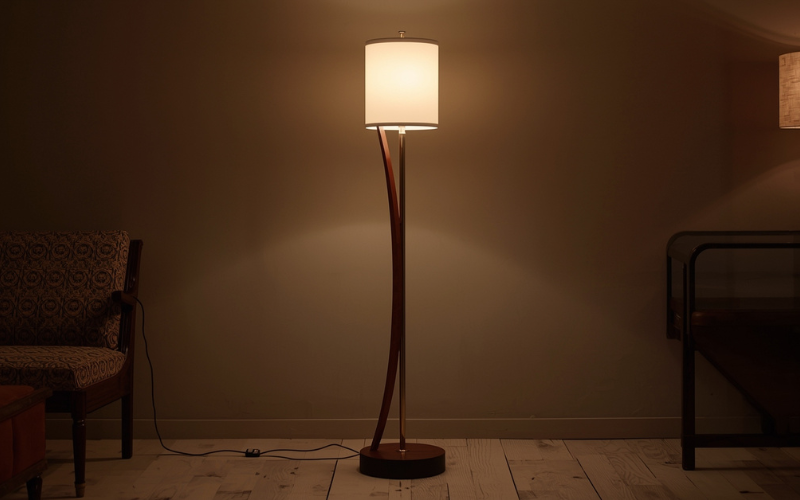
Lighting is the jewelry of a room, and nothing makes a statement quite like a retro floor lamp. Whether you are looking to infuse a touch of 1960s nostalgia into a contemporary apartment or complete a dedicated mid-century modern living space, these standing fixtures offer both function and unparalleled style. A well-chosen retro floor lamp does more than just illuminate a corner; it acts as a sculptural focal point that anchors your design scheme, proving that great style truly never fades.
Table of Contents
1. The Enduring Allure of Vintage Style Lighting
The resurgence of the retro floor lamp in modern interior design is not merely a fleeting trend; it is a testament to the timeless quality of 20th-century craftsmanship. Unlike the mass-produced, disposable lighting often found in big-box stores today, vintage floor lamps were built with intention. They combine substantial materials—solid brass, rich teak, heavy marble bases—with daring silhouettes that challenge the ordinary. This commitment to quality is why a lamp made seventy years ago can still function perfectly and look stunning today.
Beyond durability, there is an emotional connection to retro lighting. These pieces tell a story. A 1950s spun-fiberglass shade evokes the optimism of the post-war era, while a sleek 1970s chrome dome speaks to the space-age fascination of its time. For homeowners and renters alike, incorporating a vintage piece adds a layer of history and personality that new furniture simply cannot replicate. It creates a “collected” look, suggesting that your home has evolved over time rather than being purchased out of a catalog page. Furthermore, choosing vintage or high-quality retro reproductions is a sustainable choice, keeping items out of landfills and reducing the demand for new manufacturing.
2. Defining the Eras: From Art Deco to Mid-Century Modern
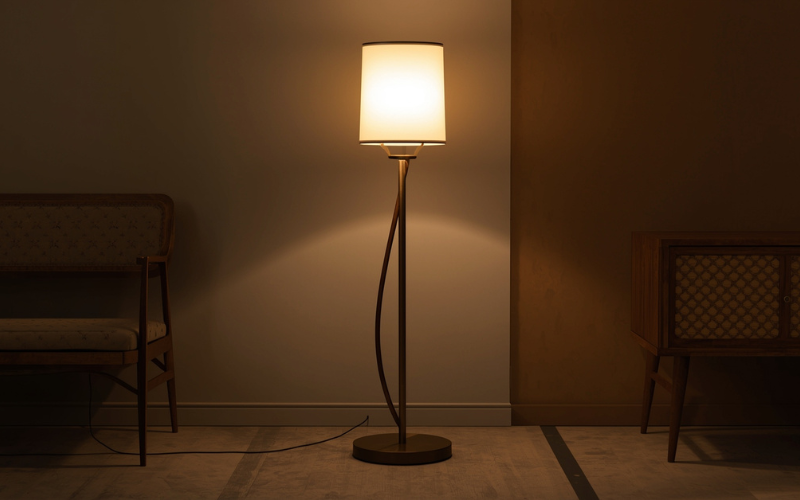
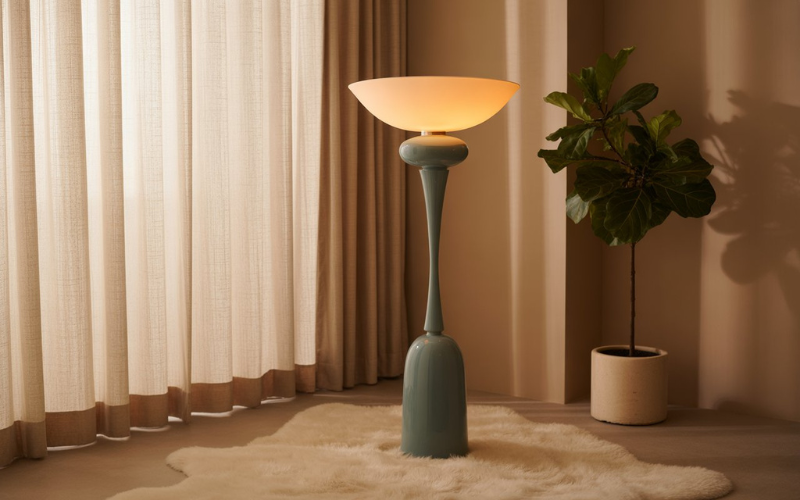
To truly appreciate the retro floor lamp, one must understand the distinct eras that defined its evolution. The journey often begins in the 1920s and 1930s with Art Deco. Floor lamps from this period are characterized by geometric shapes, stepped bases, and luxurious materials like chrome, glass, and Bakelite. They often feature uplighting “torchiere” styles that cast a dramatic glow on the ceiling, emphasizing the height and grandeur of a room.
Moving into the 1940s and 1950s, we see the birth of Mid-century modern (MCM) design. This era marked a shift away from ornamentation toward functionality and organic forms. Designers began experimenting with new materials like aluminum and molded plywood. A 1960s floor lamp might feature the iconic “gooseneck” flexible arm or a multi-headed “tree” design, allowing users to direct light exactly where needed. This era also introduced the “Atomic” style, featuring sputnik shapes and starburst patterns that reflected the world’s fascination with space exploration.
Finally, the 1970s brought us the mid-century retro standing lamp in its boldest forms. This decade embraced chunky aesthetics, smoked glass, and warm earth tones like harvest gold and avocado green. Mushroom lamps with translucent acrylic shades became staples, casting a soft, diffused light that defined the moody, relaxed atmosphere of the 70s living room.
3. Iconic Shapes: Tripod, Arc, and Industrial Styles
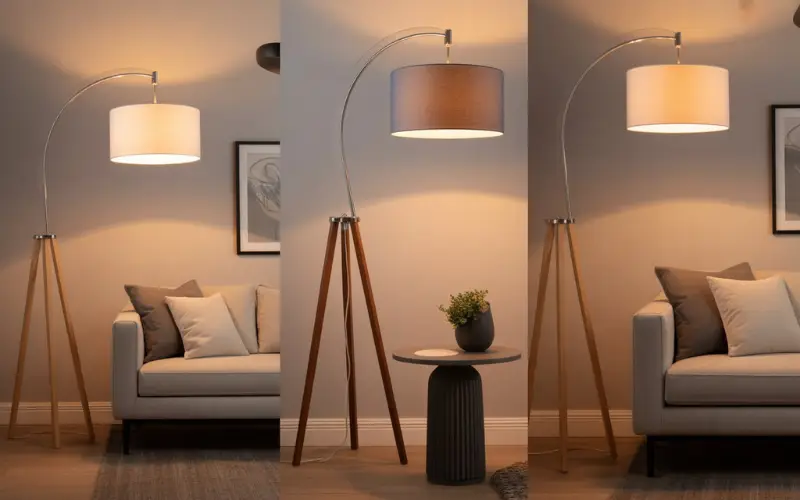
When hunting for the perfect fixture, you will encounter several iconic structural designs that define the retro category. The tripod retro floor lamp is perhaps the most versatile. Inspired by surveyor’s equipment and studio photography lights, the tripod base offers excellent stability and a visually interesting geometric footprint. These lamps often pair wood legs with a simple drum shade, making them a perfect fit for airy, Scandinavian-inspired interiors or coastal homes where texture and warmth are key.
Another heavyweight of the genre is the arc retro floor lamp. Originally designed to solve the problem of lighting a dining table without a ceiling junction box, these massive, sweeping lamps feature a heavy base (often marble) and a long curved arm that suspends the light source overhead. They are dramatic statement pieces that require space to “breathe.” An arc lamp works best tucked behind a sectional sofa, reaching over to illuminate a coffee table or reading nook.
For those with a penchant for loft living, the industrial vintage floor lamp offers a rugged alternative. These pieces often feature exposed bulbs, metal cages, and pulley systems. They prioritize raw function, with adjustable heights and articulating joints that allow them to serve as precise task lighting. An industrial lamp in an antique brass or blackened steel finish adds an edgy, masculine touch to soft furnishings.
4. Materials That Matter: Teak, Brass, and Chrome
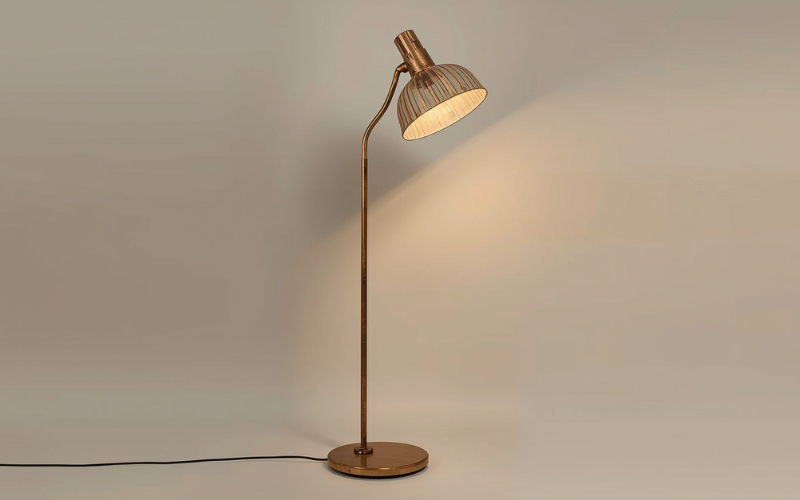
The material composition of a floor lamp is often the quickest giveaway of its age and quality. A brass retro floor lamp is a classic staple of the mid-century aesthetic. In the 1950s, brushed or satin brass was often paired with black enamel accents to create a sophisticated, high-contrast look. Over time, genuine brass develops a rich patina that adds character, distinguishing it from cheap, shiny gold-plated reproductions.
Wood played a crucial role in warming up the clean lines of modern design. The teak retro floor lamp is a hallmark of Danish Modern influence. Teak is prized for its durability and warm, honey-colored grain. You will often see it used in the stems of lamps, sometimes sculpted into gentle curves or combined with brass fittings for a mixed-material look. Walnut was another favorite, particularly in American mid-century designs, offering a darker, more formal wood tone.
5. Identification Guide: Spotting an Authentic Vintage Gem
Distinguishing a genuine antique replica floor lamp from the real deal requires a keen eye. The first place to look is the plug. Authentic vintage lamps from the mid-20th century often have non-polarized plugs (where both prongs are the same size) and may lack the plastic coating found on modern cords, featuring cloth-covered wire instead. However, be aware that many vintage lamps have been rewired for safety, so this isn’t a definitive rule.
Check the underside of the base. Heavy, solid bases made of cast iron or stone were standard to prevent tipping. Many high-quality manufacturers like Laurel, Stilnovo, or Gerald Thurston for Lightolier stamped their names or applied foil labels to the socket or base. Even if the label is missing, look for quality construction details: solid metal knobs instead of plastic, ceramic sockets, and heavy weight. A unique retro floor lamp will often feel heavier than it looks.
Examine the wear patterns. A true vintage piece will show signs of age—faint scratches on the brass, a bit of darkening in wood crevices, or “foxing” (browning spots) on an original paper shade. While “distressed” finishes on modern reproductions try to mimic this, they often look uniform and artificial. Authentic wear is random and tells the story of the lamp’s use over decades.
6. Mastering the Mix: Styling Retro Lamps in Modern Homes
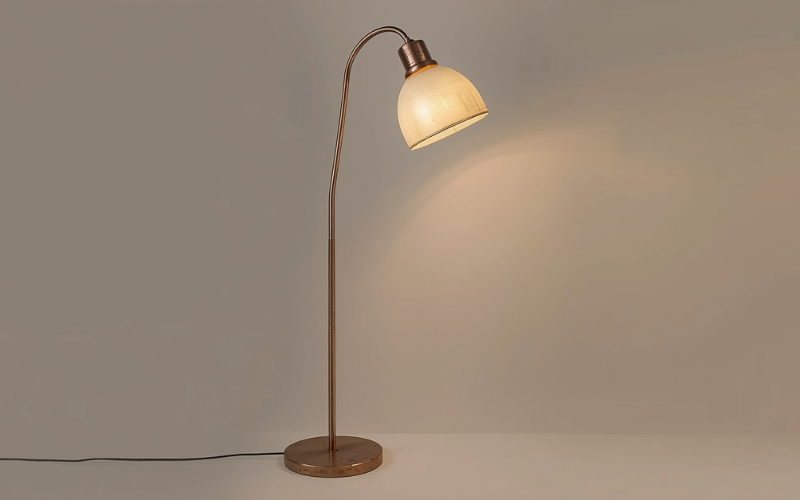
One of the most common questions is how to integrate a retro floor lamp without making your home look like a movie set or a museum. The key is balance. Avoid creating a “time capsule” room where every piece of furniture is from the same specific year. Instead, mix your eras. A sleek, chrome 1970s floor lamp looks incredible next to a plush, contemporary velvet sofa. The contrast between the cold metal and soft fabric creates dynamic visual tension.
Use the lamp to define a zone. In an open-concept living space, a mid-century modern floor lamp placed beside a lounge chair instantly creates a reading nook, separating that area from the rest of the room. For walk-in closets or dressing areas, a slender, tall retro lamp can add a boutique feel. While a closet lamp is typically functional, upgrading to a stylish standing lamp in a corner of a large closet adds luxury and better color-rendering light for choosing outfits.
Pay attention to scale. Art deco floor lamp designs can be tall and imposing, requiring high ceilings to look their best. Conversely, some mid-century tripod lamps have a wider footprint but a shorter stature. Ensure the bottom of the lampshade is at eye level when you are seated to avoid glare. If you have low-profile modern furniture, choose a lamp that doesn’t tower awkwardly above it; visual harmony is essential for a cohesive design.
7. Restoration and Safety: Breathing New Life into Old Lights
Finding a vintage lamp is often just the beginning; ensuring it is safe to use is the next critical step. Old wiring can be brittle, cracked, or chewed by pests, posing a serious fire hazard. If you find a vintage treasure, it is highly recommended to have it rewired. This is a relatively simple DIY project or an affordable task for a professional lamp repair shop. Replacing the socket and cord ensures your lamp is safe for modern usage while preserving its external beauty.
When restoring the finish, start with the gentlest method. For a brass retro floor lamp, avoid harsh chemical dips that strip the patina. Instead, use a mild metal polish or simply clean it with a damp cloth to maintain its vintage character. For teak or walnut wood elements, a simple application of Danish oil can nourish dried-out wood and bring back its original luster.
If the original shade is damaged or missing—common with vintage finds—don’t despair. Replacing a shade is an opportunity to customize the lamp. A simple linen drum shade can modernize a busy vintage base, while a custom pleated shade can enhance its retro vibe. Just ensure the new shade proportions match the original; a shade that is too small or too large can throw off the entire balance of the lamp’s silhouette.
8. The Practical Side: Light Quality and Bulb Choices
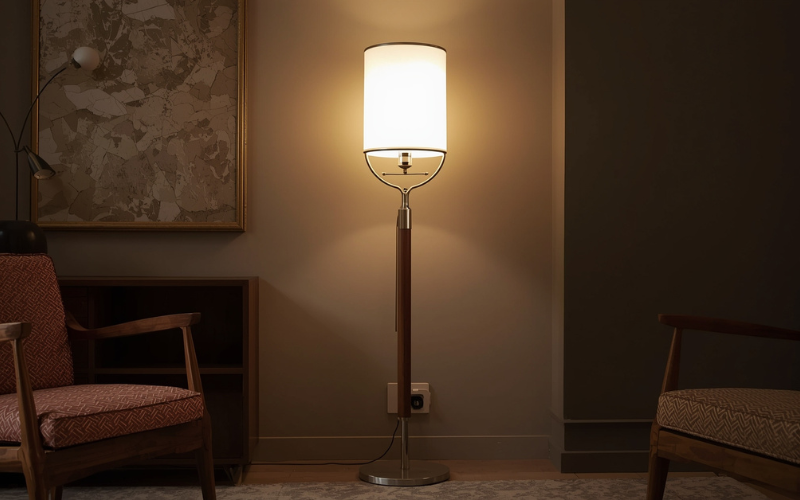
While style is paramount, a lamp must fundamentally provide good light. Retro lamps were often designed for incandescent bulbs, which emit a warm, yellow light. To replicate this warmth with modern energy efficiency, choose LED bulbs with a color temperature of 2700K (Warm White). This mimics the glow of vintage tungsten bulbs and complements the warm tones of brass and wood found in retro designs.
Consider the lamp’s function. If your 1960s floor lamp is for reading, you need a bulb with higher lumens (brightness) and perhaps a cooler temperature (3000K) for clarity. Many retro floor lamps, especially “mogul” socket types, were designed for 3-way bulbs. You can find LED 3-way bulbs that allow you to adjust the ambiance from a soft mood light to a bright reading light.
Also, be mindful of heat. Vintage shades, especially plastic or paper ones, can become brittle over time. Modern LEDs are a fantastic upgrade because they emit very little heat, preserving your delicate vintage shades for decades longer than hot incandescent bulbs would.
9. Where to Hunt: Finding the Perfect Retro Floor Lamp
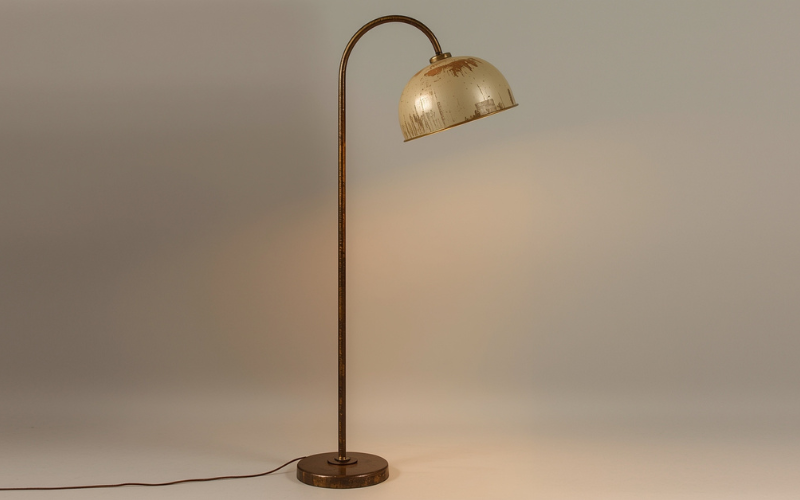
The hunt for a unique retro floor lamp is part of the fun. Local thrift stores and estate sales are treasure troves, often yielding amazing finds at bargain prices. However, you need patience and a frequent visitation schedule. For a more curated selection, antique malls and dedicated vintage lighting dealers offer authenticated pieces, though at a higher price point.
If you love the look but want the reliability of a new product, many modern retailers offer excellent antique replica floor lamps. These capture the aesthetic of the tripod retro floor lamp or the arc retro floor lamp but come with modern safety standards, warranties, and often more affordable price tags. Look for reproductions that use authentic materials like real wood and metal plating rather than painted plastic to ensure the vibe remains sophisticated, not cheap.
Conclusion
Embracing the retro floor lamp is about more than just lighting a room; it is about celebrating a legacy of design that championed bold forms, honest materials, and functional beauty. Whether you gravitate towards the industrial edge of a factory-style fixture or the warm, organic curves of a teak mid-century piece, these lamps have the power to transform a house into a home. By understanding the history, identifying quality, and styling with confidence, you can curate a space that feels both nostalgic and refreshingly modern. So go ahead—switch on the past and let your home shine with timeless character.
FAQs
Q1. How can I tell if my retro floor lamp is valuable?
A. Value is determined by the maker, condition, and rarity. Look for manufacturer marks or labels on the base or socket (brands like Stilnovo, Laurel, or Gerald Thurston are highly prized). Heavy materials like solid brass or marble, complex designs, and original, undamaged shades also increase value significantly.
Q2. Is it safe to use a vintage floor lamp with its original wiring?
A. It is generally not recommended. Wiring from the 1950s or 60s is often brittle, ungrounded, and the insulation may be cracking, which creates a fire hazard. It is best to have the lamp rewired with modern components. This is a standard and affordable procedure that ensures safety without affecting the lamp’s aesthetic value.
Q3. What is the difference between a floor lamp and a closet lamp?
A. Abattery operated table lamps is a decorative standing fixture designed for living areas to provide ambient or task lighting. A closet lamp usually refers to functional, compact lighting (often motion-sensor or battery-operated) used inside wardrobes. However, for large walk-in closets, a stylish retro floor lamp can be used to add boutique-style elegance and better visibility.
Q4. Can I put a modern LED bulb in a vintage floor lamp?
A. Yes, and you should! LEDs are much cooler than incandescent bulbs, which helps protect delicate vintage shades from heat damage. Just make sure the base size matches (E26 is standard for the US) and choose a “Warm White” (2700K) color temperature to maintain the authentic vintage glow.
Q5. How do I clean a vintage brass floor lamp without ruining it?
A. A void harsh chemical cleaners or abrasive scrubbers, which can strip the finish. Dust regularly with a soft microfiber cloth. For tarnished brass, if you want to keep the vintage patina, simply wipe it with a damp cloth and mild soap. If you want it shiny, use a specialized brass polish, but test it on a small, hidden area first to ensure it doesn’t remove the plating.