
Indroduction
In today’s fast-paced world, convenience means everything. A night lamp with motion sensor is one of the most innovative and practical lighting solutions that combine ease of use, safety, and energy efficiency. Whether you want a gentle glow to guide you in the dark or a security feature for your home, a motion-activated night light offers the perfect blend of functionality and smart technology.
In this comprehensive guide, we’ll explore everything you need to know about night lamps with motion sensors, from how they work to their versatility and key features, helping you choose the ideal device for your home.
Table of Contents
1. What Is a Night Lamp With Motion Sensor?
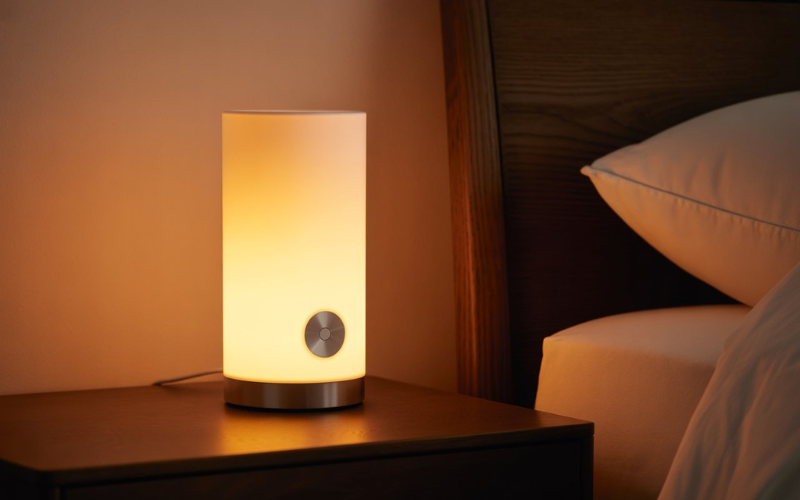
A night lamp with motion sensor is a lighting device outfitted with technology to automatically detect movement and turn on or off accordingly. Unlike traditional lamps that need manual operation, these intelligent lights activate when they sense motion, providing illumination precisely when needed — especially useful during nighttime.
This type of sensor night light is typically equipped with infrared sensors, ultrasonic sensors, or a combination of both. They detect movement from humans or animals within their sensing range, turning the light on and off automatically. Powered via batteries, USB rechargeables, or direct plug-in connections, these lamps are designed for convenience and efficiency.
2. How Does a Night Lamp with a Motion Sensor Work?
Understanding the inner workings of a night lamp with motion sensor helps in appreciating its practicality. The device essentially combines several key components: the sensor unit, the light source, the control circuit, and the power management system.
Core Components:
- Motion Sensor: Usually an infrared (IR) sensor or ultrasonic sensor detects movement within a specific range (often 10 – 20 feet).
- Light Source: Most modern night lamps use energy-efficient LEDs, known for their long lifespan and low power consumption.
- Control Circuit: Connects sensor signals with the light source, executing auto on/off commands.
- Power Management: Manages power supply, whether from batteries or electric mains, sometimes including rechargeable batteries.
Working Principle:
- Standby Mode: The night lamp remains off in a low-power standby state, continuously monitoring for motion via its sensor.
- Detection Stage: When movement occurs within its detection area, the sensor detects the change — infrared radiation from a person or ultrasonic waves from moving objects.
- Response Stage: The sensor sends a signal to the control unit, which then activates the LED light source, illuminating the space.
After a predetermined period without detecting movement, such as 30 seconds or one minute, the device turns off automatically, conserving energy.
3. Types of Sensors Used in Night Lamps
The effectiveness of motion sensor night lights depends largely on the type of sensor employed:
Infrared (IR) Sensors
- Most common in sensor night lights.
- Good for indoor applications where movement is predictable.
- Usually have adjustable sensitivity and detection angles.
Ultrasonic Sensors
- Emit ultrasonic waves and analyze reflections to detect movement.
- Capable of detecting small movements and objects.
- Suitable for larger areas or environments with obstructions.
Combined Sensors
- Some advanced models use both IR and ultrasonic sensors for enhanced detection accuracy and wider coverage.
4. Key Features to Consider When Choosing a Night Lamp with Motion Sensor
To maximize efficiency and convenience, consider the following features:
Sensitivity and Detection Range
- Wide detection range (up to 20 feet or more) ensures the light activates promptly.
- Adjustable sensitivity settings allow customization based on the space and usage.
Brightness and Adjustable Light Levels
- Bright enough to illuminate your pathway without disturbing sleep.
- Options for brightness adjustment enable you to select soft or brighter light, depending on preference.
Light Source: LED or Other
- Preferably LED, as it offers energy-saving benefits, durability, and softer illumination options like warm light or soft light.
Auto On/Off and Timer Settings
- Auto on/off feature ensures hands-free operation.
- Some models include adjustable timers to prolong or shorten illumination duration.
Power Options
- Battery-powered night lights are portable and easy to place anywhere.
- Plug-in models are more permanent and typically more powerful.
- Rechargeable night lamps combine portability with eco-friendliness.
Aesthetic and Design
- Compact, unobtrusive designs blend into home decor.
- Modern styles with sleek finishes fit well in bedrooms or hallways.
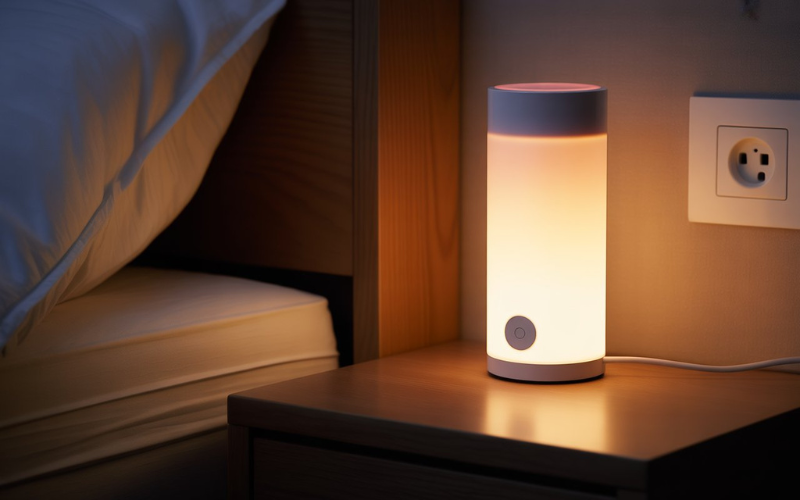
5. Popular Use Cases for Night Lamps With Motion Sensors
Night lamps with motion sensors are incredibly versatile and serve various needs:
- Hallways and Staircases: Easily navigate dark corridors or stairs without turning on bright ceiling lights.
- Bathrooms: Light up dark bathrooms at night for quick, safe trips.
- Bedrooms: Use as bedside lamps for gentle illumination without waking your partner.
- Kids’ Rooms: Comfort children with soft lighting that activates only when needed.
- Closets and Cabinets: Illuminate dark storage spaces automatically.
- Entrances and Garages: Enhance security with lights that activate upon entry.
Their wide detection range and automatic operation make them ideal for providing safety and convenience across different home spaces.
6. How to Install and Maintain a Night Lamp with Motion Sensor
Installation Tips
- Plug-in models: Simply connect to the mains socket.
- Battery-powered models: Use adhesive mounts or brackets for easy placement.
- Rechargeable models: Charge via USB and position where needed.
Maintenance Tips
- Keep sensors clean from dust and debris for reliable detection.
- Regularly check and replace batteries in battery-operated models.
- Ensure the sensor is not obstructed by objects or furniture.
- Adjust sensitivity and timer settings for optimal performance.
Proper installation and maintenance ensure your automatic night lamp works seamlessly over time.
7. Benefits of Using a Motion Sensor Night Light
Switching to a night lamp with motion sensor offers significant advantages:
Energy Efficiency
- Turn on only when movement is detected, reducing wasted power.
- Use LED technology to further lower energy consumption.
Enhanced Safety and Security
- Illuminate dark areas automatically, reducing slip-and-fall accidents.
- Deter intruders by activating bright lights when movement is sensed.
Versatility and Flexibility
- Suitable for indoor and outdoor use (weatherproof models).
- Expand your smart home setup with compatible devices.
Customization and Smart Features
Modern motion sensor night lamps come with additional functionalities:
Brightness Adjustment
- Some models allow you to set preferred brightness levels.
- Can include warm, soft, or daylight lighting options to suit different moods.
Wide Detection Range
- Covers larger areas, ideal for hallways, garages, or outdoor pathways.
- Adjustable sensors ensure precise detection and reduced false triggers.
Smart Integration
- Compatibility with smart home systems (like Alexa or Google Home).
- Control via smartphone apps for remote operation and scheduling.
Night Mode and Dusk-to-Dawn Functionality
- Automatically switch to low brightness during night hours.
- Dusk-to-dawn sensors turn on the light in response to ambient darkness.
These features make night lamps with motion sensors more adaptable and user-friendly.
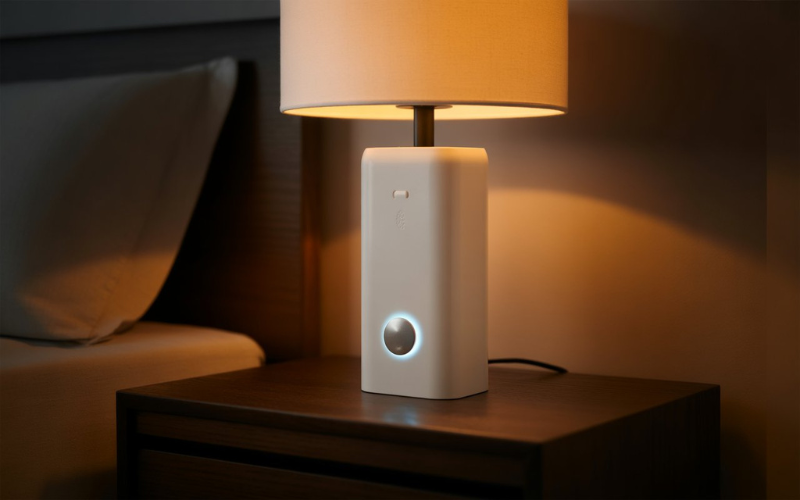
8. Adjust Sensitivity Levels to Prevent False Activations
Motion sensors are designed to detect movement but can sometimes be triggered by irrelevant motions like pets, curtains swaying, or even changes in light and temperature. Overly sensitive sensors cause the light to turn on unnecessarily, wasting energy.
- Start by setting the sensitivity to a medium level to avoid constant triggering.
- Test the sensor by walking through its detection range and observe if it triggers appropriately.
- If the light activates too often, reduce sensitivity; if it rarely activates, increase it.
- Some advanced models offer customizable zones or angles to limit detection to the desired area.
By fine-tuning sensitivity, the light remains off when there is no meaningful movement, thus saving power and extending bulb life.
9. Use Brightness Adjustment Features for Comfortable Yet Efficient Lighting
Brightness plays a crucial role in both energy consumption and user comfort. A motion-activated night light that is too bright wastes energy and may be harsh on the eyes, while one that is too dim may defeat the purpose of safe illumination.
- Choose a night lamp with adjustable brightness or dimming options.
- Select a comfortable lighting level that illuminates safely but conserves power — typically a soft or warm light setting.
- Using LED lamps with efficient light output ensures maximum brightness with minimal wattage.
- Some models offer adaptive brightness that adjusts light intensity based on ambient light, turning on only as bright as necessary.
This balance prevents energy waste while providing effective guidance in dark areas.
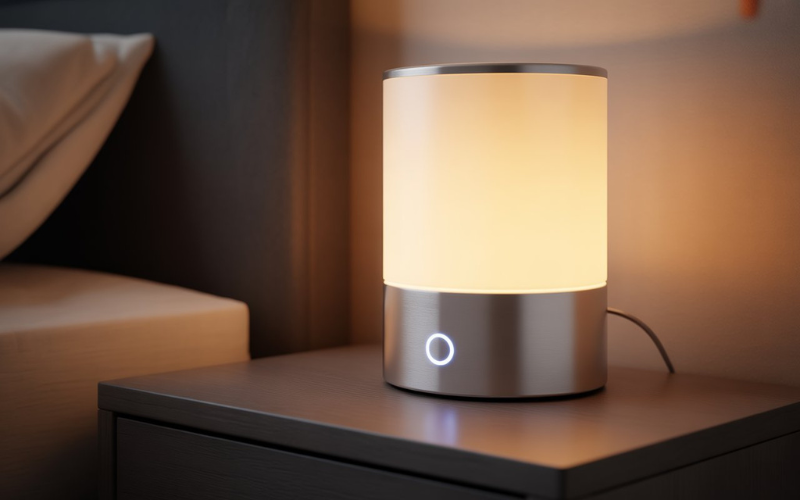
10. Position Sensors Strategically to Detect Most Movement
Placement is critical to maximizing sensor efficiency:
- Install the lamp in areas with frequent, predictable movement, such as hallways, staircases, bathrooms, or entryways.
- Avoid facing the sensor toward windows or heating vents, which can trigger false alerts.
- Height and angle adjustments help cover a wide detection range (usually 10-20 feet) without sensing unnecessary zones.
- For rooms with pets, position sensors higher to avoid detecting small animals.
- In large spaces, consider multiple sensors or models with a wide-angle sensor for comprehensive coverage.
Optimally positioned sensors prevent the light from activating unnecessarily while ensuring it is ready when you need it.
11. Opt for Rechargeable Night Lamps to Reduce Battery Costs and Waste
Battery-powered night lamps offer portability but may incur ongoing costs and environmental impact if batteries are frequently replaced.
- Rechargeable night lamps use built-in batteries that recharge via USB or power outlets.
- They minimize the expense and inconvenience of purchasing disposable batteries.
- Rechargeables generally use lithium-ion batteries, which have a longer lifespan and better energy storage.
- Many models include power-saving features like quick auto-shutdown and efficient LED bulbs.
- Rechargeable lamps also reduce hazardous battery waste, supporting an eco-friendlier home.
Choosing rechargeable options aligns convenience with sustainability and long-term savings.
By implementing these detailed steps to adjust sensitivity, manage brightness, strategically place sensors, set timers, and choose rechargeable models, you optimize the energy efficiency of your motion-activated night light. This leads to lower power consumption, reduced costs, and a safer, more comfortable home environment without compromising on the convenience and functionality of having automatic lighting exactly when you need it
Here are 5 frequently asked questions (FAQs) about night lamps with motion sensors, with clear and concise answers:
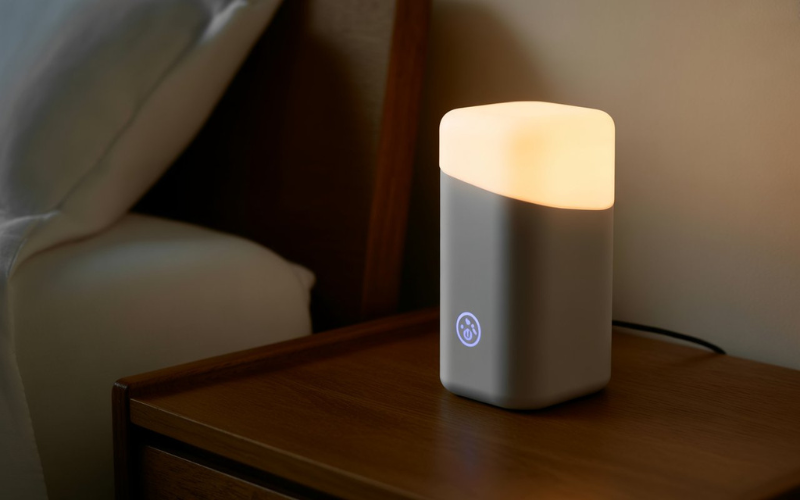
FAQs
Q1. What is a night lamp with motion sensor?
A. A night lamp with motion sensor is a lighting device that automatically turns on when it detects motion within a certain range, using infrared or ultrasonic sensors. It provides hands-free illumination, typically in dark or low-light areas, for convenience and safety. These lamps turn off automatically after no motion is detected for a set time.
Q2. How does a motion sensor night lamp work?
A. It uses sensors to detect infrared radiation or movement around it. When motion is detected, the lamp turns on immediately, illuminating the area. After a preset duration of no detected motion, the light switches off automatically to save energy.
Q3. Where should I install a motion sensor night lamp?
A. Best locations include hallways, staircases, bathrooms, closets, and entryways where safe navigation is needed during darkness. Position the lamp to cover areas with frequent movement and avoid pointing sensors near windows or heat sources that might trigger false activation.
Q4. Can motion sensor night lamps detect pets or small movements?
A. Some motion sensors are adjustable to ignore small animals to prevent false triggers. Sensitivity settings can often be modified so the lamp only activates for larger movements such as humans, making it pet-friendly.
Q5. How long does the light stay on after motion is detected?
A. Most motion sensor night lamps allow you to set the timer duration, typically ranging from 30 seconds to 10 minutes. The light stays on for this period after the last detected motion and then automatically switches off to conserve e
Conclusion
In a night lamp with motion sensor is a smart, energy-efficient lighting solution that offers significant benefits for any home environment. By automatically activating only when motion is detected, it eliminates wasted energy and reduces electricity costs. These lamps enhance safety by providing immediate illumination in dark areas, preventing accidents especially for children, the elderly, and those with limited mobility. Additionally, their hands-free operation adds convenience and ease to daily life, eliminating the need to fumble for switches in the dark.