Table of Contents
Introduction
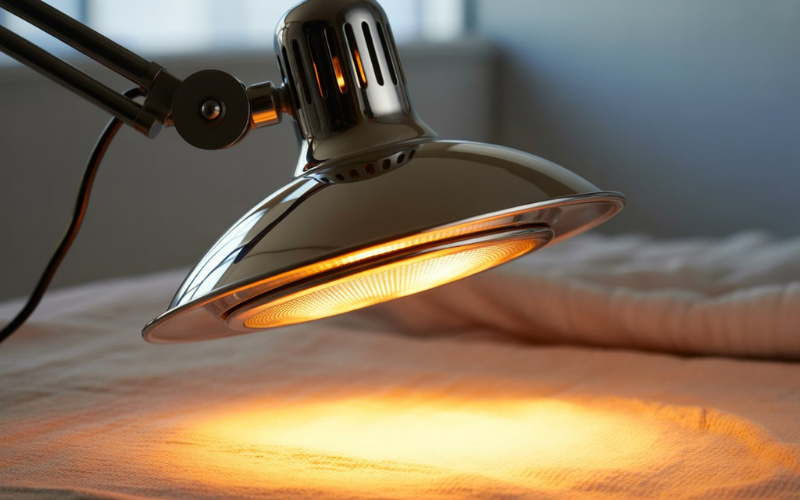
A heating lamp is a powerful, efficient solution for providing targeted warmth in various settings, from pet habitats to outdoor spaces and food service areas. Unlike traditional heating systems that warm entire rooms, these focused heat sources deliver radiant energy directly to specific areas or objects, making them an ideal choice for anyone seeking instant, cost-effective warmth. Whether you’re a pet owner, restaurant manager, or gardening enthusiast, understanding how infrared heat lamps work and which type suits your needs is essential for optimal results. This comprehensive guide explores everything you need to know about these warming solutions, their applications, and how to choose the perfect one for your situation.
1. What Is a Heating Lamp and How Does It Work?
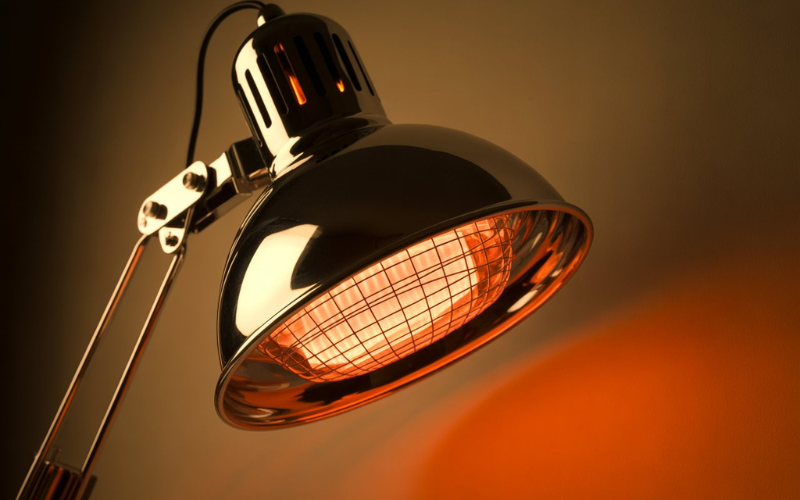
These warming devices operate by converting electrical energy into infrared radiation, creating focused warmth without heating the surrounding air. Unlike forced-air heating systems, quality infrared heat bulbs use specialized filaments and coatings to emit long-wavelength infrared energy that travels directly to objects and surfaces in its path.
The fundamental principle behind these thermal devices is straightforward: they use a tungsten filament heated to extremely high temperatures to produce infrared rays. These rays are invisible to the human eye but are felt as warmth when they strike your skin or other surfaces. This direct heating method makes these focused warming solutions significantly more energy-efficient than traditional heaters for localized applications.
The efficiency of a radiant heat lamp lies in its ability to deliver warmth instantly. When you activate one of these devices, you feel the warmth within seconds, unlike space heaters that require warm-up time. This rapid response capability makes infrared heat bulbs particularly valuable for situations where quick, temporary heat is necessary. The absence of warm-up delays means these solutions respond immediately to your heating requirements, providing comfort on demand.
2. Types of Heating Solutions Explained
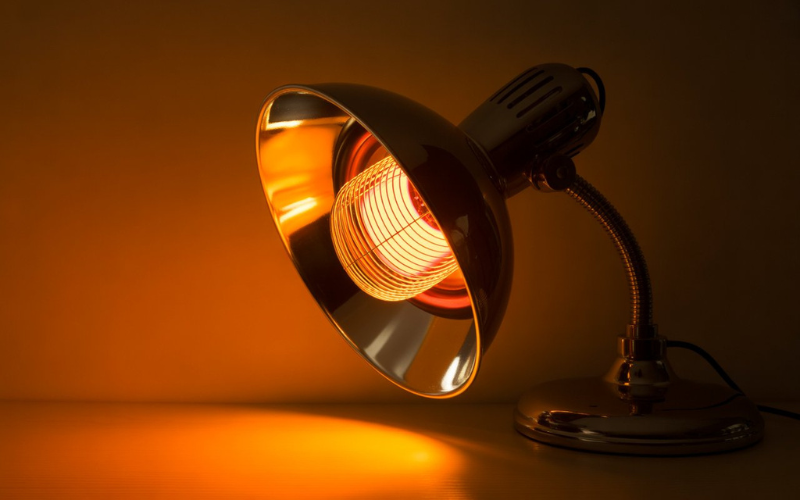
The market offers several distinct types of thermal devices, each designed for specific applications and heating needs. Understanding the differences helps you select the best option for your requirements.
Infrared Heat Lamps represent the most common type for general-purpose use, producing medium to high-intensity heat through incandescent bulbs. These warming solutions typically range from 125 to 250 watts and are frequently found in restaurants, bathrooms, and therapeutic applications. The instant-on nature of infrared heat bulbs makes them perfect for food service warming and supplemental comfort heating.
Ceramic Heat Lamps utilize ceramic heating elements to emit long-wave infrared radiation without producing visible light, making them ideal for reptile enclosures, pet habitats, and round-the-clock heating applications. These ceramic heat bulb designs reach high temperatures and maintain consistent, focused heat projection, creating an ideal environment for animals requiring warmth without light interference.
Halogen Heat Lamps deliver intense, high-temperature heat quickly, making them excellent for industrial applications, outdoor patio heating, and large open areas needing supplemental warmth. These thermal devices can reach power outputs of 250 watts or higher and produce both visible light and significant infrared radiation. Halogen heat bulb designs typically have a lifespan of approximately 2,000 hours.
Quartz Heat Solutions combine advantages of halogen and ceramic designs, offering high heat output with excellent durability. These infrared heating devices can reach up to 500 watts and provide rapid heating response, making them suitable for both commercial and residential applications where substantial concentrated heat is required.
Red Heat Bulbs feature a red glass coating that filters out most visible light while passing infrared radiation, creating gentle warmth for food warming and animal husbandry applications. These thermal bulbs produce the same radiant heat as clear glass designs but without excessive brightness, making them ideal for light-sensitive environments.
3. Applications and Uses for Thermal Heating Devices
These focused warming solutions have proven versatility across numerous industries and residential settings, demonstrating why they remain among the most popular heating solutions worldwide.
Pet and Animal Care represents one of the most widespread applications. Reptile heat lamps are essential for maintaining proper temperatures in snake, gecko, bearded dragon, and turtle enclosures. Brooder heat lamps help poultry farmers keep chicks and young birds warm during their critical early stages. Quality pet heating devices create the ideal thermal environment for amphibians, insects, and other animals requiring supplemental warmth.
Food Service and Restaurant Applications rely heavily on these warming fixtures to maintain proper food temperatures in serving lines, buffets, and warming stations. Restaurants use heat reflector lamp fixtures to keep prepared dishes at the required 140°F or above without drying them out. The instant-on capability makes them responsive to kitchen workflow, and they cool quickly when switched off.
Bathroom and Personal Comfort installations feature these devices as effective supplemental warmers for post-shower comfort and drafty spaces. A dimmable heat lamp provides flexible temperature control, allowing users to adjust warmth levels according to preference and comfort needs.
Greenhouse and Plant Growing involves using thermal devices with thermostats to extend growing seasons and protect seedlings and sensitive plants from temperature fluctuations. These temperature-controlled heat lamps help regulate environment conditions in greenhouse spaces, ensuring plants don’t freeze during cold snaps while promoting healthy growth.
Industrial Applications utilize infrared heat bulbs for paint drying, adhesive curing, plastic forming, plastic welding, and various manufacturing processes. Banks of industrial heating fixtures can provide substantial concentrated heat for processing requirements.
Outdoor Patio and Garden Heating employs waterproof heat lamps to create comfortable outdoor living spaces during colder months. These rugged, weather-resistant models extend outdoor entertaining seasons and provide strategic warmth for specific zones.
Therapeutic and Medical Applications use infrared heating devices to promote muscle relaxation, increase blood circulation, and support wellness treatments. Physical therapists utilize these warming solutions for pain relief and recovery applications.
4. Energy Efficiency and Cost Considerations
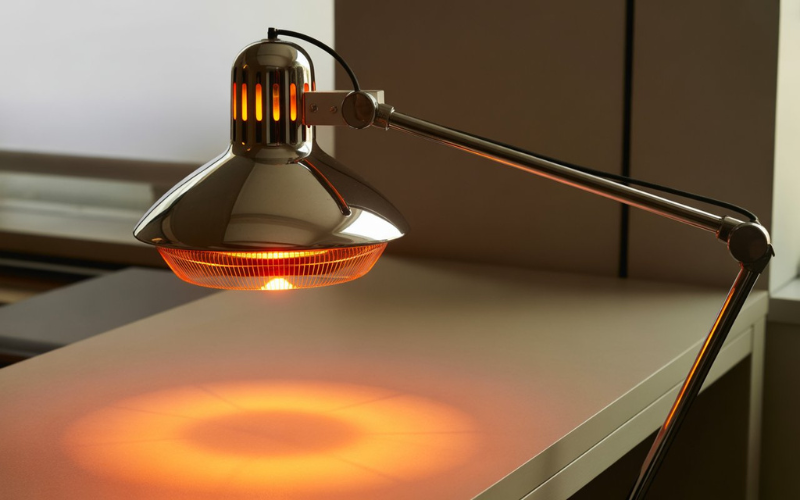
Understanding the electricity consumption of these thermal devices helps you make informed decisions about operating costs and environmental impact.
These warming solutions typically range from 50 to 250 watts, with 250-watt models being most common for home and commercial use. A standard 250-watt infrared heat bulb uses 0.25 kilowatts per hour. When operating 12 hours daily, this translates to 6 kilowatt-hours monthly and daily costs ranging from $0.48 to $1.29, depending on your local electricity rates.
The energy efficiency advantage of these focused solutions lies in their targeted heating approach. Unlike space heaters consuming 1,500 watts to warm an entire room, a strategically positioned thermal device provides localized warmth more economically. Energy-efficient heat lamp models with adjustable settings can reduce consumption by 30-70% through thermostat-controlled operation.
Several factors impact electricity consumption:
- Wattage rating directly determines power draw—higher wattage means increased energy use
- Usage duration and frequency significantly affect monthly consumption
- Continuous 24/7 operation maximizes consumption, while 12-hour day/night cycling reduces it by 50%
- Thermostat-controlled models automatically adjust based on ambient temperature, providing substantial savings
While these devices consume more electricity than standard incandescent light bulbs, they serve a fundamentally different purpose. A 250-watt infrared heat bulb produces intense thermal radiation, whereas an equivalent brightness standard bulb uses only 40-60 watts for visible illumination. You cannot replace these specialized devices with LEDs or fluorescent bulbs—these alternatives simply don’t generate sufficient heat for warming applications.
5. Reptile Heating Solutions and UVB Requirements
Reptile owners must carefully select appropriate heating solutions, as different species require specific heat and light conditions. Proper UVB heating lamp selection ensures healthy reptile development and proper calcium metabolism.
Different reptile species require varying amounts of UVB radiation based on their native environments and behavioral patterns. Diurnal arid species require more UVB than nocturnal rainforest species, reflecting their natural sun exposure levels. For reptiles requiring higher UVB output, specific UVB bulbs are necessary alongside heat devices.
Researchers measure UVB output using solar meters that provide a UVI (Ultraviolet Index) rating, typically between 0-6. A 12% UVB lamp may produce a UVI of 4-6 when positioned 30-45 centimeters from the reptile’s basking zone, or a UVI of 3-4 at 40-60 centimeters away. Mounting height critically affects UVB effectiveness—if lighting sits higher than 30 centimeters, T8 tubes become unsuitable and T5 tubes are required.
Reptile owners should follow the 12-hour on/12-hour off lighting schedule to mimic natural daylight cycles. UVB heating devices must run during daytime hours and turn off at night to provide proper circadian rhythm support. Ceramic heating elements excel for nighttime warmth since they provide heat without visible light, allowing reptiles to sleep undisturbed.
Temperature-controlled infrared heat bulb systems with thermostats represent the best solution for maintaining precise reptile habitat temperatures. These adjustable thermal devices automatically maintain optimal conditions, creating healthier, less stressful environments for captive reptiles.
6. Installation, Safety, and Maintenance Guidelines
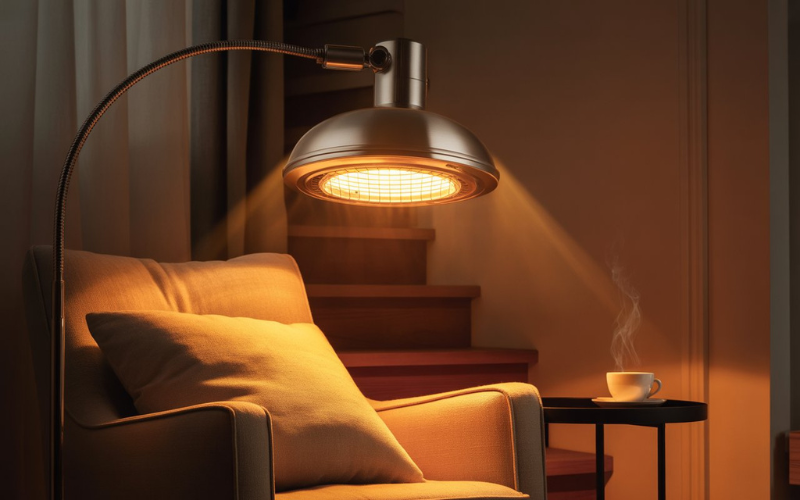
Proper installation of thermal heating devices prevents fire hazards, ensures efficient operation, and maximizes longevity.
Safety Distances and Clearances require maintaining at least 18 inches between your heating fixture and cloth, paper, and combustible materials. Never lay these devices on flammable surfaces or install them near bedding, curtains, or furniture. Radiant heat lamps should remain at least 20 inches away from animals to prevent burns and injuries. Installation height typically ranges between 1.8 and 2.5 meters for indoor environments.
Quality Equipment Selection starts with purchasing UL-approved fixtures featuring ceramic collars, metal deflectors, and thick electrical cords. The fixture must include a protective bail—a wire cage surrounding the bulb that keeps flammable materials safely away. Choose sturdy bails designed to remain permanently attached and never remove or alter this crucial safety component.
Secure Mounting prevents dangerous tipping and falling incidents. Use multiple securing methods including chains, clamps, or sturdy stands to ensure the fixture cannot easily slip, blow over, or tip. For outdoor installations, verify the lamp is rated for outdoor use and properly grounded. Regularly inspect mounting hardware for wear or degradation.
Electrical Safety requires plugging heating fixtures into outlets equipped with arc-fault circuit interrupter (AFCI) or ground-fault circuit interrupter (GFCI) protection rated for the wattage. High-wattage devices demand proper electrical infrastructure to prevent electrical fires and hazards. Never use bulbs exceeding 250 watts in standard residential fixtures.
Socket Specifications mandate the use of only ceramic sockets, as other socket types fail when exposed to intense heat. Metal or plastic sockets cannot withstand the temperatures and create fire and electrical hazards.
Moisture Protection requires keeping thermal devices away from liquids and moisture. Never install heating fixtures near water buckets, fountains, or areas prone to splashing, as moisture contact can cause dangerous sparking and short circuits.
Regular Maintenance involves checking cords and fixtures for damage before each use. Twist the bulb periodically to ensure tight, secure connections within the fixture. Replace damaged cords immediately and never attempt to repair them with tape or temporary solutions.
Never Enclose your heating fixture in cabinets, boxes, or confined spaces. Heat buildup in enclosed areas degrades both the fixture and bulb while creating fire hazards.
7. Choosing the Right Solution for Your Needs
Selecting the appropriate thermal device depends on your specific application, space size, and heating requirements.
For Pet Habitats, ceramic designs work best for providing consistent nighttime warmth without light interference. UVB solutions combined with appropriate lighting fixtures create complete thermal and lighting solutions for reptiles and amphibians. Choose adjustable thermal devices with temperature control for maintaining precise habitat conditions.
For Food Service, infrared heat bulbs with red glass designs keep food at proper serving temperatures without excessive visible light. Commercial-grade fixtures rated for continuous operation ensure reliable performance in busy kitchen environments.
For Outdoor Spaces, halogen or quartz options deliver the intense, far-reaching warmth needed to combat wind and cool temperatures. Waterproof models specifically designed for outdoor use provide reliable performance in weather-exposed locations.
For Greenhouses and Plant Growing, thermostat-controlled systems with dimmable capabilities provide responsive temperature management throughout growing cycles. These adjustable thermal options automatically adapt to changing seasonal conditions.
For Bathrooms and Personal Comfort, moderate-wattage infrared heat bulbs (125-150 watts) provide sufficient supplemental warmth without excessive electricity consumption. Look for models with aesthetic appeal and quiet operation for residential applications.
Wattage Selection depends on space size and heating intensity requirements. Entry-level applications work well with 75-125 watt models, while residential and small commercial spaces typically use 150-250 watt devices. Industrial or large outdoor areas may require 375-500 watt solutions.
8. Understanding Specifications and Performance Characteristics
Learning to interpret device specifications helps you make confident purchasing decisions and optimize performance.
Thermal bulb types significantly affect performance characteristics. Standard incandescent designs provide moderate warmth suitable for general applications. Halogen options deliver high-intensity heat but with shorter lifespans around 2,000 hours. Ceramic heat bulb models offer extended durability and consistent output, sometimes lasting 5,000+ hours. Quartz designs provide rapid warm-up times and sustained high-temperature output.
Color and Coating Options include clear glass designs that combine warmth with illumination, red-coated versions that minimize visible light for animal applications, and ceramic models producing no visible light. Select coating based on whether visible light is beneficial or detrimental to your application.
Power Density measures heat output per unit area, with halogen options providing up to 200 watts per inch. This high power density makes these concentrated heating tools ideal for intensive heating tasks.
Temperature Output Range varies by type, with ceramic designs operating at lower sustained temperatures suitable for continuous use, while halogen and quartz options reach higher peak temperatures for intensive applications.
Longevity and Lifespan considerations include ceramic models lasting 5,000-10,000 hours, halogen designs averaging 2,000 hours, and specialized applications potentially extending durability through proper usage. Calculate replacement costs alongside initial purchasing expenses for accurate total cost of ownership.
Conclusion
A heating lamp represents an intelligent, versatile investment for numerous residential, commercial, and agricultural applications. Their energy efficiency, instant-on capability, and targeted heat delivery make these solutions superior to traditional heating systems for localized warming needs. Whether you’re maintaining reptile habitats, warming restaurant food service areas, extending outdoor entertaining seasons, or supporting plant growth in greenhouses, selecting the right device type ensures optimal performance and satisfaction.
FAQs
Q1. What is a heating lamp and how does it work?
A. A heating lamp converts electricity into infrared radiation for targeted warmth. Unlike space heaters, a heating lamp warms objects directly rather than air, making it energy-efficient for specific areas.
Q2. What are the best uses for a heating lamp?
A, Heating lamps excel in pet habitats, food warming, and bathrooms. Reptile owners use heating lamps for proper temperatures, while restaurants rely on them for serving lines.
Q3. How do I choose the right heating lamp wattage?
A. Select heating lamp wattage (75-250W) based on space size. Small pet enclosures need 50-100W heating lamps, while patios require 150-250W models.
Q4. Are heating lamps safe for continuous use?
A. Yes, when properly installed. Keep heating lamps 18+ inches from flammables and use ceramic sockets. Thermostat-controlled heating lamps prevent overheating.
Q5. How much electricity does a heating lamp use?
A. A 250W heating lamp uses 0.25 kWh per hour, costing $0.48-$1.29 daily. Energy-efficient heating lamps with dimmers save 30-70% on bills.