Introduction
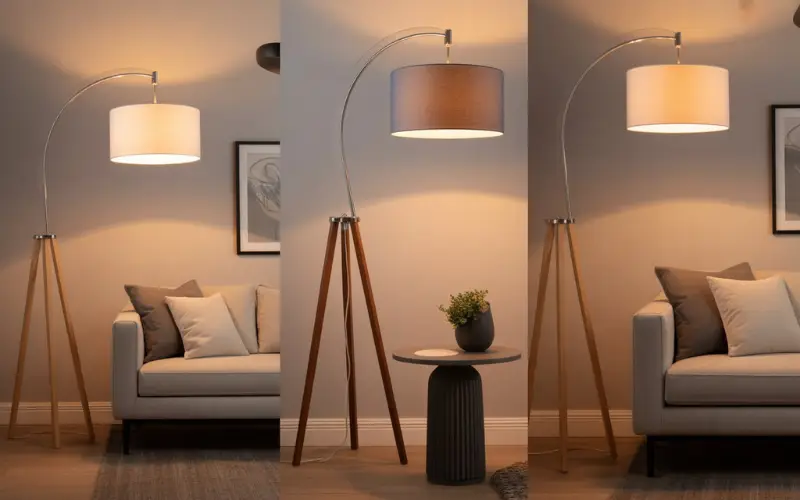
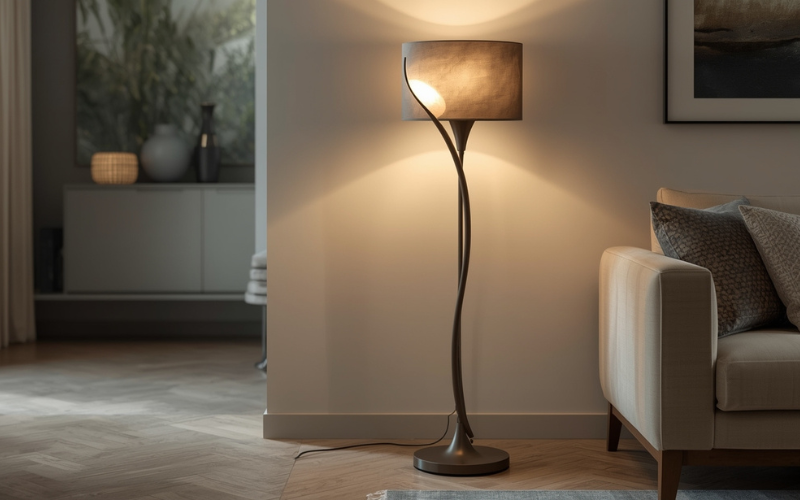
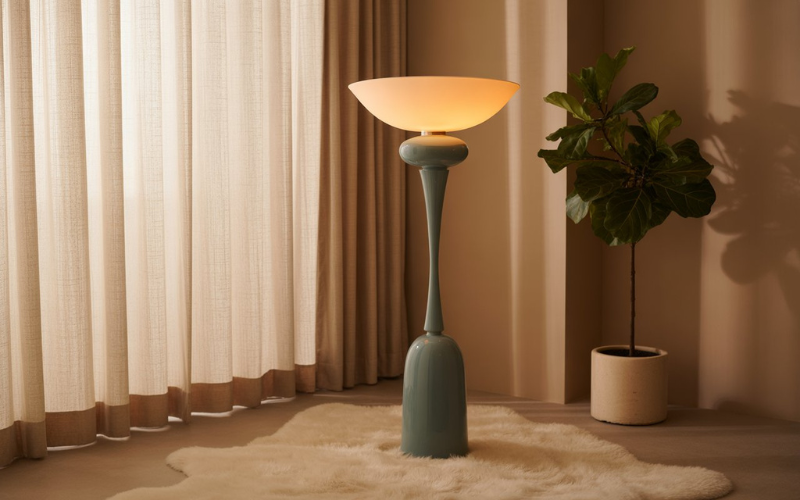
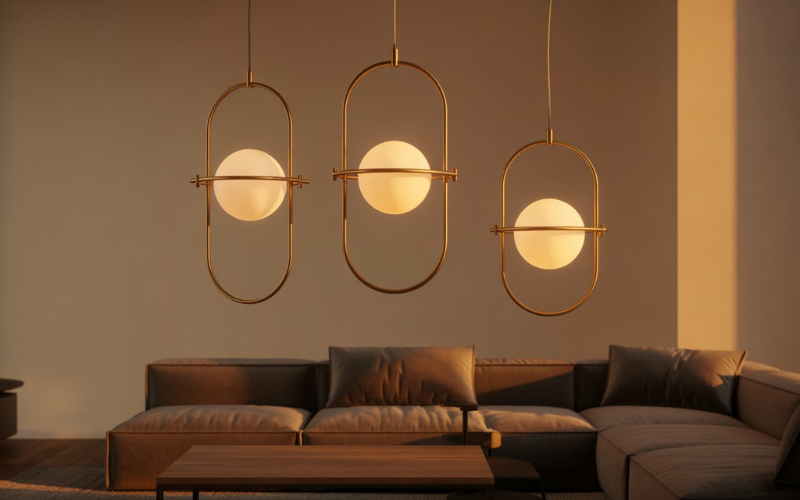
Choosing the right hanging lamps for living room spaces can completely transform how your home looks and feels. Good lighting does more than just brighten a room—it shapes mood, highlights décor, and makes everyday living more comfortable. This guide walks through everything needed to confidently choose, place, and style hanging lamps so the living room feels both beautiful and practical.
Table of Contents
1. Why Hanging Lamps Are Game-Changers for Living Room Lighting
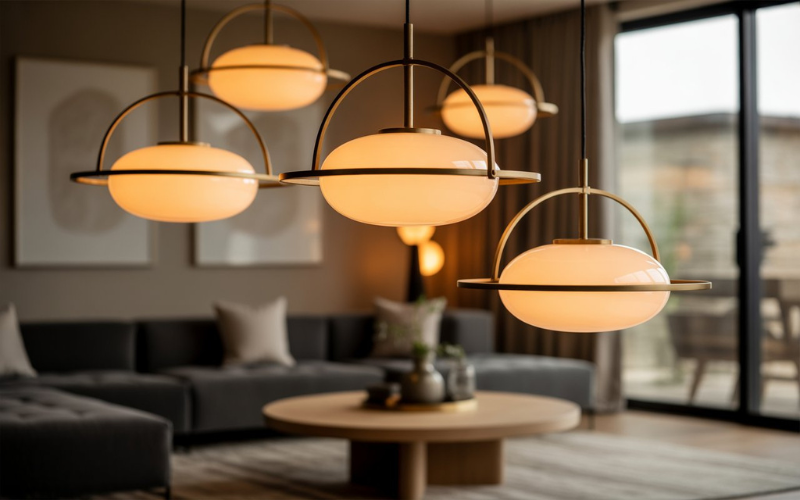
In many homes, the living room is the busiest space: a place for relaxing, watching TV, reading, entertaining guests, even working. That’s why living room lighting needs to be flexible and thoughtfully planned.
Hanging lamps for living room areas—whether pendants, chandeliers, or clusters—offer several key advantages:
- They free up floor and table space
- They draw the eye upward, making the room feel more open
- They serve as décor statements as well as light sources
- They help create clear zones in open-plan layouts
Unlike a single overhead bulb or a random floor lamp, well-planned hanging lights for living room spaces feel intentional, layered, and stylish.
2. Understanding Different Types of Hanging Lights for Living Room Spaces
Before buying anything, it helps to know the main types of lights for living room ceilings and what each one does best.
1. Pendant Lights
Living room pendant lights are single fixtures that hang from the ceiling by a cord, rod, or chain. They can be small and subtle or bold and sculptural.
Best for:
- Highlighting a coffee table or central seating area
- Modern and minimalist interiors
Pendant-style hanging lamps for living room setups work especially well in apartments and medium-sized spaces where one strong statement light is enough.
2. Multi-Light Pendants and Clusters
These are groupings of several hanging lights combined into one fixture, often at different heights.
Best for:
- Larger living rooms
- Double-height ceilings
- Dramatic visual impact above a central area
Clustered living room hanging ceiling lights can look stunning over a large coffee table or in a corner reading nook.
3. Chandeliers
Chandeliers are classic, branching ceiling lights for living room setups with multiple bulbs. Modern versions aren’t always fancy crystal pieces—they can be minimalist, linear, or geometric.
Best for:
- Formal living rooms
- Traditional or transitional interiors
- Rooms where a “centerpiece” light is desired
Chandeliers are a natural choice when the room has high ceilings or architectural details that deserve attention.
3. Popular Styles: Matching Hanging Lamps to Your Living Room Décor
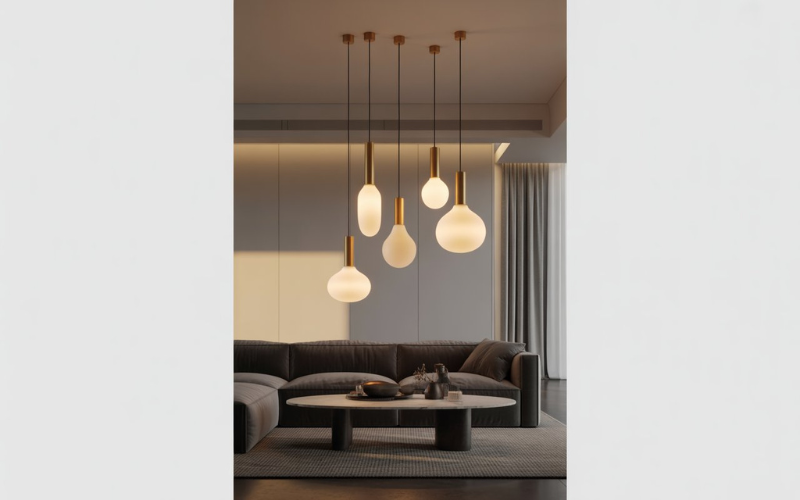
Style matters as much as function. The right hanging lamps for living room design should feel like part of the décor, not an afterthought.
Modern Hanging Lights for Living Room
Modern hanging lights for living room spaces focus on simplicity, clean lines, and contemporary materials.
Common features:
- Matte black, brass, chrome, or brushed nickel finishes
- Geometric shapes (globes, cylinders, cones, linear bars)
- Slim profiles and neat detailing
- Integrated LED options
Best suited for:
- Modern apartments
- Contemporary homes
- Urban lofts
Modern living room pendant lights blend easily with neutral color palettes, minimalist furniture, and sleek media units.
Minimalist Pendant Lights for Living Room
While “modern” and “minimalist” often overlap, minimalist pendant lights for living room setups push simplicity even further.
Characteristics:
- Very simple shapes and silhouettes
- Often single-color finishes (black, white, or metal)
- No extra ornamentation
- Emphasis on form and proportion
Great for:
- Scandinavian interiors
- Japandi style (Japanese + Scandinavian)
- Rooms where clutter-free, calm aesthetics are a priority
Minimalist hanging lights for living room areas are ideal when the furniture, art, or architecture is already visually strong and lighting needs to complement rather than compete quietly.
Farmhouse Pendant Lights for Living Room
Farmhouse pendant lights for living room designs bring warmth and rustic charm.
Typical details:
- Wood, metal, or distressed finishes
- Lantern shapes, cages, or mason-jar-inspired designs
- Warm-toned metal (bronze, brass, or black with warm accents)
- Often paired with Edison-style bulbs
Perfect for:
- Cozy, casual homes
- Rustic, country, or cottage-style décor
- Spaces with wood beams, brick walls, or vintage furniture
Farmhouse-style living room hanging ceiling lights make the room feel inviting and lived-in, which is great for family homes.
Transitional and Mixed Styles
Not every living room fits neatly into one style. Transitional spaces blend classic and modern elements.
In these rooms, mixing modern hanging lights for living room setups with softer furnishings or combining farmhouse pendant lights for living room with sleek sofas can create a curated, personal look.
The key is balance:
- Echo a finish or color across multiple pieces (for example, black metal on the lamp and coffee table legs)
- Match the mood (warm, cozy lighting in warm, cozy interiors)
- Keep one element bold and let others be subtle
4. How to Choose the Right Hanging Lamps for Your Room
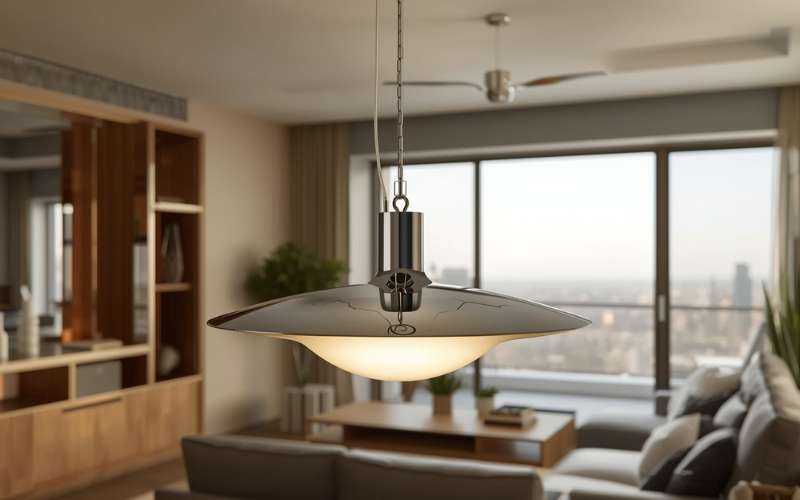
Picking hanging lamps for living room areas isn’t just about what looks good online. Practical factors matter—the wrong choice can cause glare, shadows, or awkward proportions.
1. Consider Room Size and Ceiling Height
Room and ceiling dimensions are crucial when selecting ceiling lights for living room installations.
General guidelines:
- Low ceilings (around 8 feet): Choose semi-flush or short-drop pendants so people can walk under them comfortably.
- Standard ceilings (8–9 feet): Hang pendants so the bottom of the fixture is about 7 feet above the floor in open walking areas.
- High ceilings (10+ feet): Take advantage of the height with longer drops, larger fixtures, or multi-level clusters.
For hanging above a coffee table or seating area, living room pendant lights or chandeliers can hang lower because people won’t be walking directly underneath.
2. Define Your Lighting Goals
Think about what the living room is used for:
- Watching TV
- Reading
- Hosting guests
- Working or studying
- Kids’ play area
Different tasks need different light levels.
A smart approach to living room lighting is to plan three layers:
- Ambient lighting: Overall brightness (usually from overhead hanging lights for living room ceilings or recessed lights)
- Task lighting: Focused light for reading or working (floor lamps, table lamps, adjustable pendants)
- Accent lighting: Highlighting décor, plants, artwork, or textured walls
Hanging lamps often provide the ambient layer, but certain styles of lamps for living room can double as task lighting when hung over reading corners or side tables.
3. Choose the Right Brightness
For a comfortable living room lighting level, a rough estimate is:
- Around 10–20 lumens per square foot for ambient light
- Additional brighter sources for task areas
Example:
- A 200 square foot living room might need 2,000–4,000 lumens in total.
- This can be divided between hanging lamps for living room ceilings, wall lights, and floor/table lamps.
If using multiple hanging lights for living room fixtures instead of one large one, each can be slightly less bright, but together they should reach the desired total.
4. Select a Comfortable Color Temperature
Color temperature affects mood more than many people realize.
Common ranges:
- Warm white (around 2700K–3000K): Cozy, relaxing, ideal for living rooms and bedrooms
- Neutral white (around 3500K–4000K): Clear and bright but still comfortable, suitable if the living room doubles as a workspace
- Cool white (5000K+): Crisp and energizing, better suited for task-heavy zones like garages or some kitchens
Most lamps for living room look and feel best in the warm to neutral range. Warm white works especially well with farmhouse pendant lights for living room setups and traditional décor, while neutral white complements more modern styles.
5. Where to Place Hanging Lamps in the Living Room
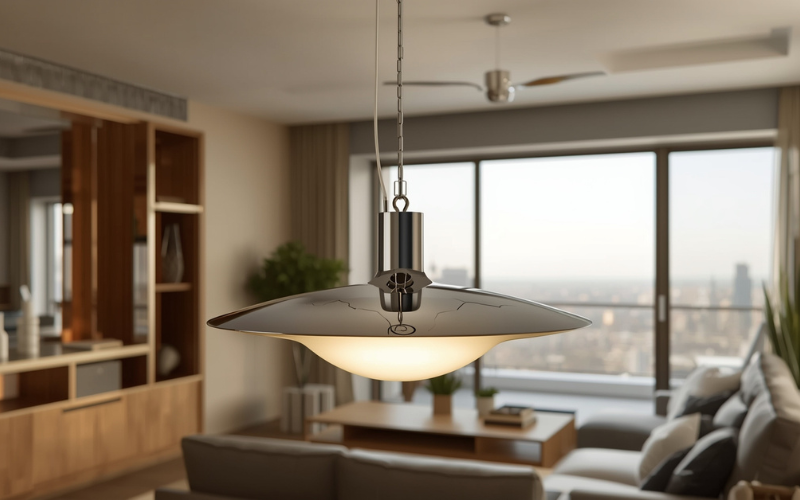
Placement is just as important as fixture selection.
1. Over the Coffee Table
A classic and effective placement for hanging lights for living room spaces is directly above the main coffee table.
Benefits:
- Creates a visual anchor for the seating area
- Helps zone the space in open-plan layouts
Here, a single pendant, a cluster, or a modest chandelier can all work well.
2. Above a Side Table or Reading Chair
If the living room has a dedicated reading corner, hanging a pendant above a side table is both functional and stylish.
Good for:
- Focused task light for reading or working
- Replacing a table lamp in smaller spaces
- Adding a design feature to an otherwise plain corner
Minimalist or modern living room pendant lights are ideal here because they can be placed low without feeling heavy.
3. In the Center of the Room
Many homes already have a central junction box in the middle of the living room ceiling. This is a natural spot for ceiling lights for living room installations.
If the furniture layout allows it, a chandelier or graphic pendant can work beautifully in this position. Just ensure it aligns visually with the main seating area.
6. Styling Tips to Make Hanging Lamps Look Designer-Level
There is a big difference between a lamp that’s simply installed and one that looks thoughtfully styled.
Coordinate Finishes and Materials
Try to repeat metals and materials throughout the room:
- Black metal pendant + black-framed coffee table or picture frames
- Brass hanging lights for living room + brass handles or accents on furniture
- Wood accents on lamps + wood tones in furniture or flooring
This subtle repetition ties the look together.
Mix, Don’t Match, When Appropriate
A fully matching set of ceiling lights for living room fixtures isn’t always necessary. It can feel more natural and high-end to coordinate rather than duplicate.
For example:
- A modern linear pendant above the seating area
- Minimalist pendant lights in a reading corner
- A small farmhouse-inspired hanging light above a console with rustic décor
As long as the finish or color palette is consistent, mixing styles can look intentional and sophisticated.
Layer with Other Light Sources
Even the best hanging lamps for living room use work best with layered lighting.
Consider adding:
- Wall sconces near art or shelving
- Floor lamps beside the sofa
- Table lamps on consoles or side tables
- LED strips behind TV units or shelves
This layering makes the room more versatile and adds depth and warmth.
7. Practical Maintenance and Safety Tips
To keep hanging lamps for living room fixtures looking their best:
- Dust shades and bulbs regularly with a soft cloth
- Deep-clean glass shades every few months so they don’t look dull
- Check chains, rods, or cords occasionally to ensure everything is secure
- Use appropriate bulbs according to the manufacturer’s recommendations
For safety:
- Maintain enough clearance so no one can bump their head
- Avoid hanging fixtures too low in high-traffic paths
- Have a qualified electrician handle installation, especially for heavier living room hanging ceiling lights
8. Common Mistakes to Avoid with Living Room Pendant Lights
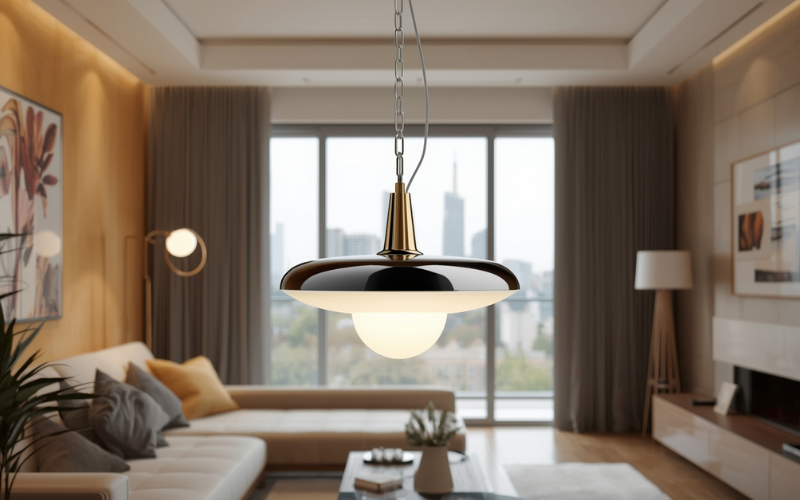
Even beautiful fixtures can look out of place if a few key details are missed.
Avoid:
- Choosing a fixture that’s too small for the room
- Using very cool, harsh light in a cozy living space
- Installing living room pendant lights too high or too low
- Ignoring dimmers—being stuck with one fixed brightness can be frustrating
- Clashing styles, like ultra-rustic farmhouse pendant lights for living room spaces paired with ultra-glossy, futuristic furniture, without any transitional elements
Thinking through scale, placement, and style compatibility prevents these issues.
FAQs
Q1: What are the best hanging lamps for living room spaces with low ceilings?
A: For low ceilings (7-8 feet), choose hanging lamps for living room with short drops or semi-flush designs. Living room pendant lights that hang 12-18 inches from the ceiling work best, ensuring clearance while still providing stylish living room lighting. Minimalist pendant lights for living room styles often fit perfectly without overwhelming the space.
Q2: How do I choose the right size of hanging lights for living room areas?
A: Match hanging lights for living room scale to your furniture and room size. The fixture diameter should be about one-third the width of the surface below (like a coffee table). For larger rooms, use multiple ceiling lights for living room fixtures rather than one oversized hanging lamp for living room.
Q3: Are modern hanging lights for living room suitable for traditional homes?
A: Yes! Modern hanging lights for living room create beautiful contrast in traditional spaces. Pair matte black or brass living room hanging ceiling lights with warm wood furniture and textiles for a transitional look that feels fresh yet comfortable.
Q4: What type of bulbs work best with farmhouse pendant lights for living room?
A: Farmhouse pendant lights for living room shine with Edison-style or vintage bulbs (2700K-3000K warm white). These enhance the rustic charm while providing cozy lights for living room ambiance perfect for family gatherings.
Q5: Can I install multiple hanging lamps for living room zones in open-plan spaces?
A: Absolutely. Use hanging lamps for living room to define zones—modern hanging lights for living room over seating areas and farmhouse pendant lights for living room over media consoles. Vary heights slightly for visual interest while maintaining cohesive finishes.
Conclusion
Hanging lamps for living room design choices do far more than illuminate—they define character, create mood, and elevate everyday living. Whether drawn to sleek modern hanging lights for living room, cozy farmhouse pendant lights for living room, or serene minimalist pendant lights for living room, the perfect fixtures blend seamlessly with your décor while meeting practical needs.
Consider room dimensions, lighting layers (living room lighting + task + accent), and personal style when selecting ceiling lights for living room installations. Proper placement—above coffee tables, reading nooks, or central seating—maximizes both function and drama.