Introduction
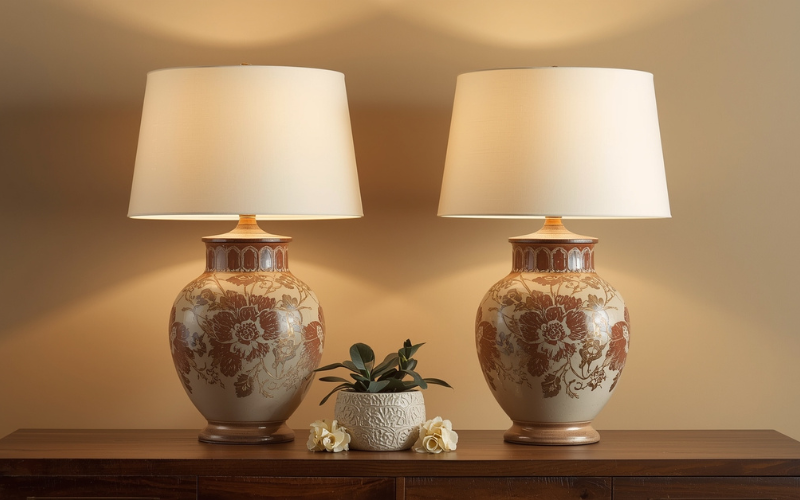
Lighting is more than just a utility; it is the jewelry of a room, setting the mood and defining the aesthetic of your living space. Among the myriad options available to interior design enthusiasts, ceramic table lamps stand out as a timeless choice that blends functional illumination with sculptural artistry. Whether you are looking to add a pop of color to a neutral bedroom or seeking an earthy, organic touch for your living room, these fixtures offer versatility that few other materials can match.
Table of Contents
1. The Timeless Appeal of Ceramic Lighting in Modern Interiors
The enduring popularity of ceramic lighting lies in its unique ability to bridge the gap between ancient craftsmanship and contemporary design. Unlike mass-produced metal or plastic fixtures, a ceramic base carries a sense of weight and permanence. It is a material that feels grounded and authentic. When you choose a ceramic piece, you are often choosing a “functional art” object that looks just as stunning when the light is turned off as it does when it is on.
Furthermore, ceramic bases are excellent at anchoring a room. Their solid form provides a visual counterweight to lighter furniture pieces, creating a sense of balance. For example, a robust ceramic base table lamp placed on a delicate glass side table creates a pleasing contrast of visual weight. This interplay of heavy and light, solid and transparent, is a key principle in creating dynamic and professional-looking interiors.
2. Exploring Popular Styles: From Mid-Century to Bohemian
Understanding the specific style of lamp that fits your decor is crucial for creating a cohesive look. The world of ceramic lighting is vast, but a few key styles dominate the landscape. A Mid-century ceramic table lamp is perhaps one of the most iconic choices. Characterized by bold, often quirky shapes—think gourds, cylinders, or hourglass forms—and vibrant, reactive glazes, these lamps are perfect for adding a retro flair. They often feature textured surfaces, such as lava glazes or incised patterns, which add depth and interest to a room.
On the other end of the spectrum is the Scandinavian ceramic table lamp. These pieces prioritize simplicity, functionality, and clean lines. You will typically find them in muted tones like soft whites, grays, or pastels, featuring smooth, matte finishes. They are designed to blend seamlessly into a room rather than shout for attention, making them ideal for minimalist or Hygge-inspired spaces where calmness is key.
3. Psychology: Choosing the Right Hue for Your Space
The color of your lamp base does more than just match your curtains; it actively influences the mood and atmosphere of the room. Ceramic glazes offer a depth of color that is hard to replicate with paint or plastic, making them powerful tools for emotional design. For instance, a blue ceramic table lamp is a fantastic choice for bedrooms or home offices. Blue is psychologically linked to calmness, focus, and serenity. A deep navy glaze can add sophistication and grounding, while a soft sky blue can make a small room feel airier and more open.
Green is another color that connects us deeply to the natural world. A green ceramic table lamp—whether in a rich emerald or a soft sage—brings a sense of balance and harmony. It bridges the gap between the indoors and outdoors, making it an excellent choice for living rooms where you want to foster relaxation and social connection. The organic nature of ceramic pairs beautifully with green tones, reinforcing that earthy, botanical feel.
Neutrals, however, remain the champions of versatility. A white ceramic table lamp or a grey ceramic table lamp acts as a palate cleanser. These colors reflect light beautifully, helping to brighten darker corners without introducing visual clutter. A modern ceramic table lamp in a crisp white glaze can make a space feel clean and organized. If you want to add warmth without color, look for “greige” or oatmeal tones which offer the neutrality of grey with the cozy undertones of beige.
4. Handcrafted vs. Mass-Produced: Identifying Quality Ceramics
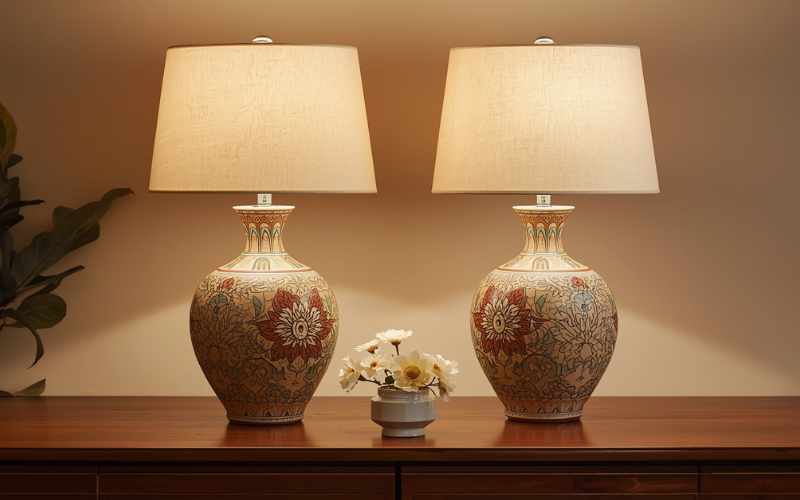
In an age of fast furniture, investing in a handmade ceramic table lamp or a handcrafted ceramic table lamp is a commitment to quality and individuality. But how do you tell the difference between a high-quality artisanal piece and a mass-produced knockoff? The first clue is often the weight. Quality ceramic and porcelain table lamp bases are generally heavier and feel more substantial than their hollow, slip-cast counterparts found in budget stores. This weight not only indicates durability but also ensures the lamp is stable and less likely to tip over.
Examine the bottom of the lamp. A handmade piece will often have a “foot” that is unglazed, revealing the raw clay body underneath. This is a sign that the piece was fired in a kiln. You might also find the maker’s mark or signature stamped into the clay here. Furthermore, look closely at the glaze. A handcrafted ceramic table lamp will often have subtle variations in the glaze color or thickness. These are not defects; they are the “fingerprints” of the artisan and the firing process, ensuring that your lamp is truly one-of-a-kind.
Texture is another indicator of quality. A sculptural ceramic table lamp should have crisp definition in its curves and angles. If the details look soft or melted, it may be a sign of a low-quality mold. High-quality ceramics also have a distinct sound; if you gently tap a high-fired stoneware or porcelain lamp with your fingernail, it should have a clear, bell-like ring, whereas lower-quality earthenware might sound dull or thudding.
5. Styling Your Ceramic Lamp: Shades and Bases
The magic of a lamp doesn’t come from the base alone; it is the partnership between the base and the shade that creates the final look. A common styling mistake is pairing a heavy ceramic base with a shade that is too small or delicate. As a general rule, the shade should be roughly two-thirds the height of the base and slightly wider than the widest part of the lamp.
For a sophisticated, contemporary look, a modern ceramic table lamp with linen shade is a failsafe combination. The texture of the linen complements the smooth, cool surface of the ceramic, creating a tactile contrast that is visually pleasing. Linen also diffuses light beautifully, creating a soft, ambient glow rather than a harsh spotlight. If your base is round or organic, a drum shade (a cylinder shape) works well to modernize the silhouette. If you have a square or rectangular base, a rectangular shade can echo those lines for a sharp, architectural look.
Don’t be afraid to mix styles. A contemporary ceramic table lamp with a sleek, glossy finish can look incredible when paired with a more traditional pleated silk shade. This “transitional” styling technique adds character and prevents the room from looking like a catalog page. Conversely, a decorative ceramic table lamp with intricate patterns might benefit from a very simple, plain white shade to let the artwork on the base take center stage without competition.
6. Guide: Best Bulbs for Ceramic Lighting
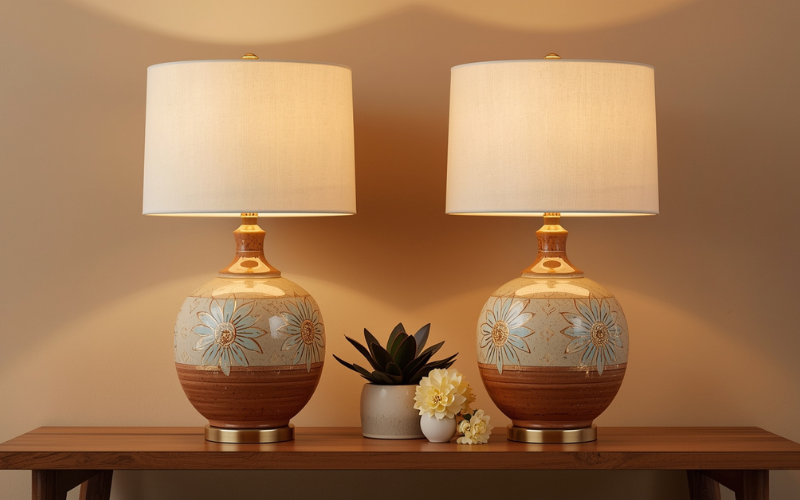
Choosing the right bulb is just as important as choosing the right lamp. Because ceramic is an opaque material, the light will not glow through the base (unless it is very thin porcelain). Instead, the light is directed upwards and downwards by the shade. This makes ceramic table lamps excellent for task lighting and accent lighting, but it means the bulb choice dictates the quality of that light output.
For living rooms and bedrooms, you should prioritize “warm white” LED bulbs, typically in the 2700K to 3000K range. This color temperature mimics the warm glow of traditional incandescent bulbs and creates a cozy, inviting atmosphere that complements the earthy nature of ceramic. A “cool white” or “daylight” bulb (4000K-5000K) can often feel too clinical and harsh against a warm ceramic glaze, washing out the colors and textures of the lamp base.
Heat management is also a consideration. While ceramic is heat-resistant (it is fired in a kiln, after all), the fittings and shades are not. LED bulbs are the best choice because they emit very little heat compared to halogens or incandescents. This protects the finish of your ceramic base table lamp and ensures delicate fabric shades don’t become brittle over time. If your lamp is dimmable, ensure you buy specific “dimmable” LEDs to avoid flickering.
7. Maintenance and Care for Long-Lasting Beauty
One of the great benefits of ceramic lighting is its durability and ease of maintenance. A well-made ceramic lamp can last for generations if treated with care. The primary enemy of a ceramic lamp is dust, which can accumulate in the textured crevices of a decorative ceramic table lamp or dull the shine of a glossy glaze.
To clean your lamp, always unplug it first to ensure safety. For glazed ceramics, a simple wipe with a soft, damp microfiber cloth is usually sufficient to remove dust and fingerprints. Avoid using abrasive scrubbing pads or harsh chemical cleaners, as these can scratch the surface or damage delicate overglaze decorations (common on an antique ceramic table lamp). If you have a lamp with a raw, unglazed finish (often found in ceramic pottery lamp styles), be careful with water, as the clay can be porous. Instead, use a dry, soft brush—like a clean paintbrush or makeup brush—to gently sweep dust out of the textures.
Check the electrical cord and socket periodically, especially with vintage finds. The ceramic body is timeless, but the wiring is not. If you notice any fraying in the cord or if the socket feels loose, it is worth having the lamp rewired. This is a simple and affordable process that can give a vintage ceramic table lamp a new lease on life, ensuring it is safe for modern use while retaining its historical charm.
8. to Place Your Lamps for Maximum Impact
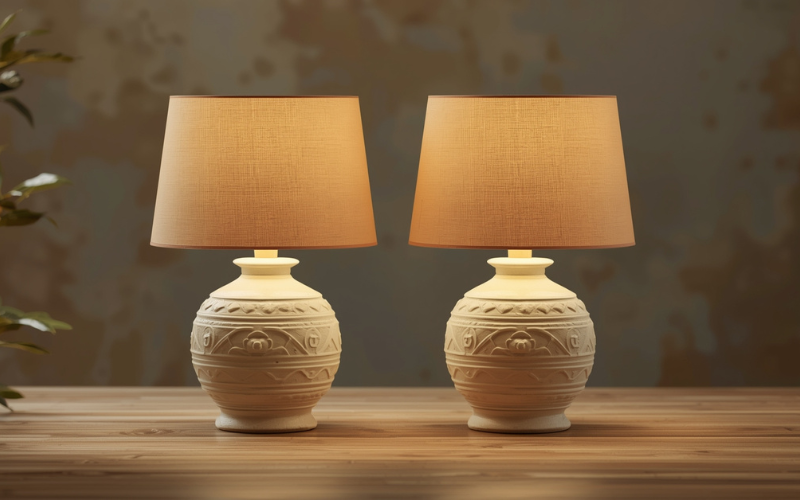
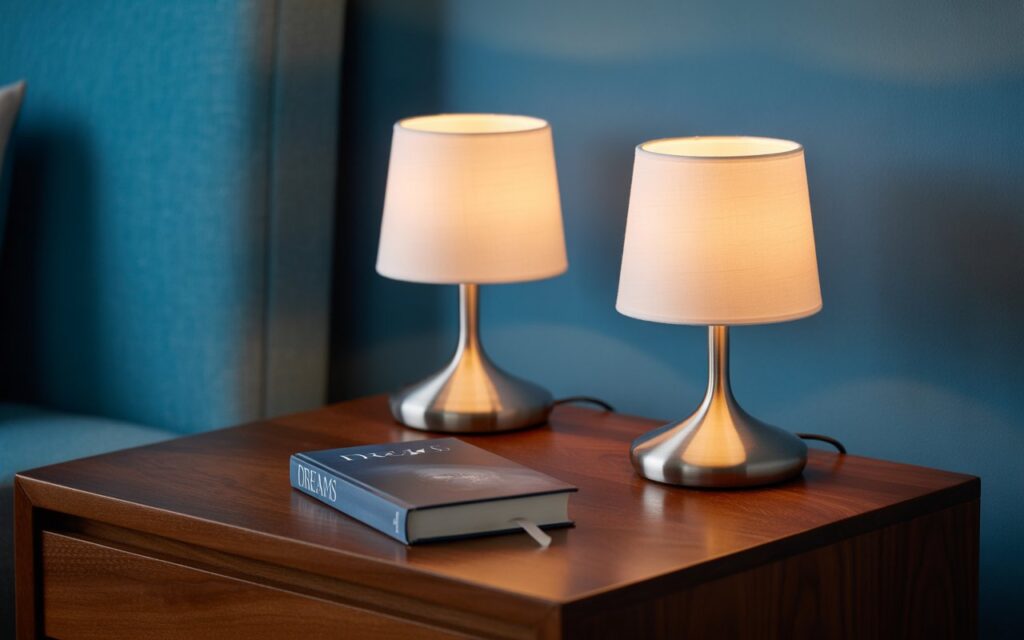
Strategic placement can maximize the impact of your lighting. In a living room, use ceramic table lamps to create “zones” of light. A pair of matching lamps on either end of a sofa or console table creates symmetry and a sense of order, which is pleasing to the eye. This is a classic trick used by interior designers to make a room feel “finished.”
In the bedroom, scale is vital. Your bedside lamp needs to be tall enough that the bottom of the shade is at eye level when you are sitting up in bed reading. A sculptural ceramic table lamp here can act as a piece of art, eliminating the need for excessive clutter on your nightstand. Because the bed is often the largest object in the room, a substantial ceramic base holds its own and doesn’t get lost visually.
Don’t overlook the entryway. An entryway console is the perfect stage for a decorative ceramic table lamp. It is the first thing guests see when they enter your home, setting the tone for the rest of the interior. A lamp here provides a welcoming pool of light that invites people in. For smaller spaces or dark corners, consider a tall, slender cylinder ceramic lamp that adds height and brightness without taking up valuable table surface area.
9. Current Trends in Ceramic Lighting for 2025
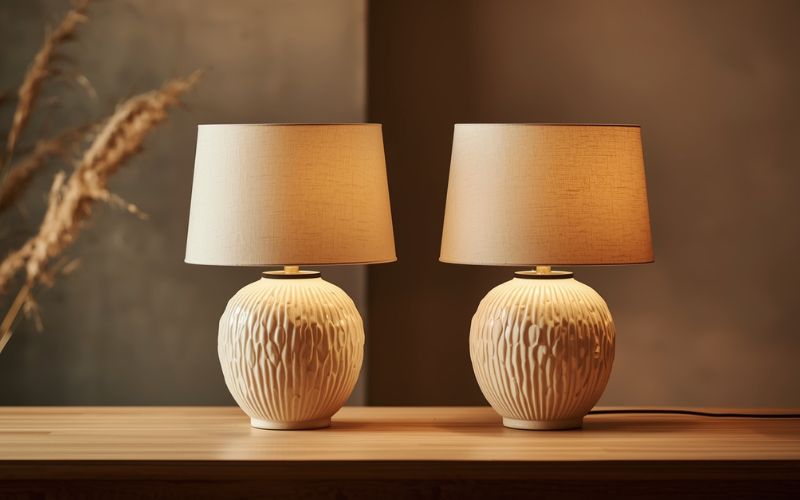
As we move further into the mid-2020s, the trends in ceramic lighting are shifting towards “organic luxury.” We are seeing a move away from perfectly uniform, factory-made shapes towards pieces that celebrate the “wabi-sabi” aesthetic—finding beauty in imperfection. This means more hand-thrown looks, asymmetrical shapes, and glazes that feature drips, crackles, and natural variations. The demand for the handmade ceramic table lamp is at an all-time high as people seek connection and authenticity in their homes.
In terms of color, earthy and nature-inspired tones are dominating. Deep terracottas, forest greens, and ocean blues are replacing the stark blacks and whites of the previous minimalist era. Texture is also huge; “hobnail” textures, fluting, and ribbed designs are very popular. These textures catch the light in interesting ways, adding a tactile dimension to the visual experience.
Homeowners are treating lighting as the primary accessory in a room. A bold, sculptural ceramic table lamp is no longer just a background player but the star of the show, often serving as the inspiration for the room’s entire color palette. By choosing a statement piece, you are investing in an item that serves a purpose while simultaneously elevating the artistic merit of your home.
Conclusion
Choosing the right lighting is an art form, and ceramic table lamps offer a canvas that is both versatile and beautiful. From the clean lines of a modern ceramic table lamp to the storied charm of a vintage ceramic table lamp, these fixtures provide endless opportunities to express your personal style. They bring warmth, texture, and a sense of permanence that few other home accessories can offer. By understanding the nuances of style, color, and placement, you can transform your home into a space that is not only well-lit but also deeply welcoming and stylish.
FAQs
Q1. What makes ceramic table lamps a popular choice for home decor?
A. Ceramic table lamps stand out due to their durability, artistic appeal, and ability to complement any interior style. Their solid bases provide stability, while the customizable glazes and shapes allow for endless personalization. Homeowners love how ceramic table lamps add both function and sculptural beauty to spaces like living rooms and bedrooms.
Q2. How do I select the best ceramic table lamps for my living room?
A. When choosing ceramic table lamps, consider the room’s scale, color scheme, and lighting needs. Opt for taller models with wide shades for ambient glow, and match glazes like white or grey to neutral palettes. Ceramic table lamps with textured finishes create visual interest without overwhelming the space.
Q3. Are ceramic table lamps suitable for modern and traditional interiors?
A. Yes, ceramic table lamps are incredibly versatile across design eras. A modern ceramic table lamp with clean lines fits sleek contemporary rooms, while vintage-inspired ceramic table lamps bring warmth to traditional settings. Their timeless material ensures they blend seamlessly in any aesthetic.
Q4. How should I care for my ceramic table lamps to keep them looking new?
A. Dust ceramic table lamps regularly with a soft cloth, and avoid harsh chemicals on glazed surfaces. For intricate designs, use a dry brush to clean crevices gently. Proper care extends the life of ceramic table lamps, preserving their beauty and preventing damage from everyday wear.
Q5. Can ceramic table lamps enhance bedside reading areas effectively?
A. Absolutely, ceramic table lamps excel as bedside fixtures due to their sturdy bases and adjustable light diffusion. Pair them with warm LED bulbs for cozy illumination, and select heights where the shade sits at eye level when sitting up. Ceramic table lamps turn nightstands into stylish, functional spots.