Introduction
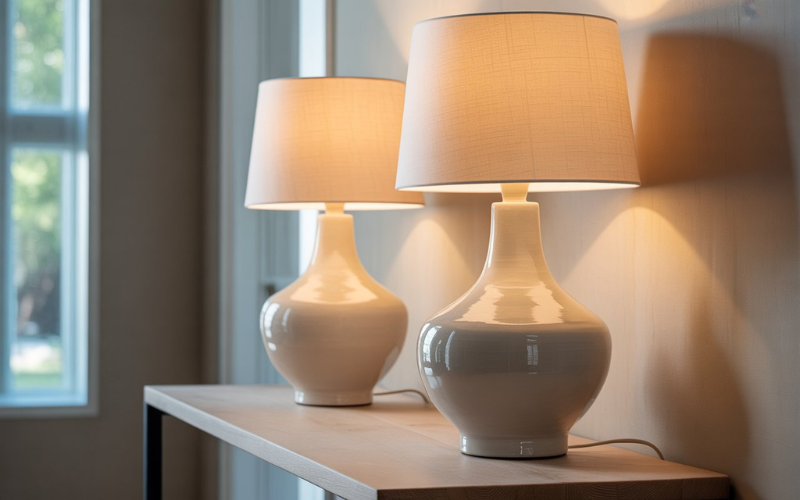
Ceramic lamps are one of the easiest ways to add warmth, character, and personality to any room while still providing practical light. Whether your style is modern, rustic, coastal, or boho, there is a shape, color, and finish to suit every space and mood.
In this guide, you’ll learn how to choose ceramic lamps that match your decor, how different finishes and styles work, and how to place them for maximum comfort, style, and function. Along the way, you’ll also discover why ceramic lighting is durable, eco-friendly, and a smart long-term investment for your home.
Table of Contents
1. What Makes Ceramic Lighting So Special?
Ceramic lighting blends aesthetics, durability, and versatility in a way few other materials can. Made from clay fired at high temperatures, ceramic is strong, heat-resistant, and able to hold intricate shapes and textures. This allows artisans and manufacturers to create everything from sleek minimalist forms to detailed sculptural pieces.
Some key benefits of ceramic lighting include:
- Timeless style: Pottery lamps and clay lamps have been used for centuries, and they never really go out of fashion.
- Durability: A well-made, durable ceramic lighting fixture can last for many years with minimal maintenance.
- Endless finishes and colors: From a glossy glazed ceramic lamp in deep blue to a soft, matte lamp in warm beige, the variety is huge.
- Versatile shapes: Sculpted ceramic lighting can be round, geometric, organic, or heavily textured.
Because ceramic is moldable, it easily becomes an art object as well as a functional light source. That’s why many people treat their ceramic lamp base as a key decor element, not just a fixture.
2. Types of Ceramic Lamps for Every Room
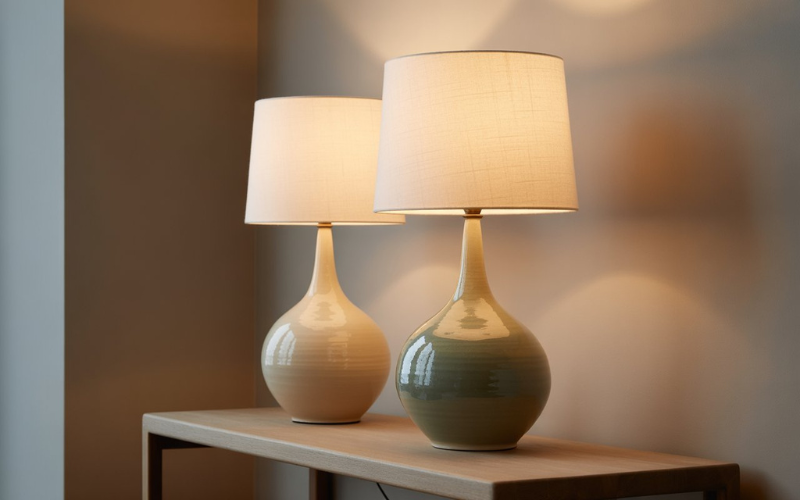
There are many types of ceramic lamps, each designed for a different use, height, and lighting need. Understanding these helps you pick the right style for each room.
Common types include:
- Ceramic table lamps: Perfect for living rooms, side tables, and consoles. They balance ambient light and decorative appeal.
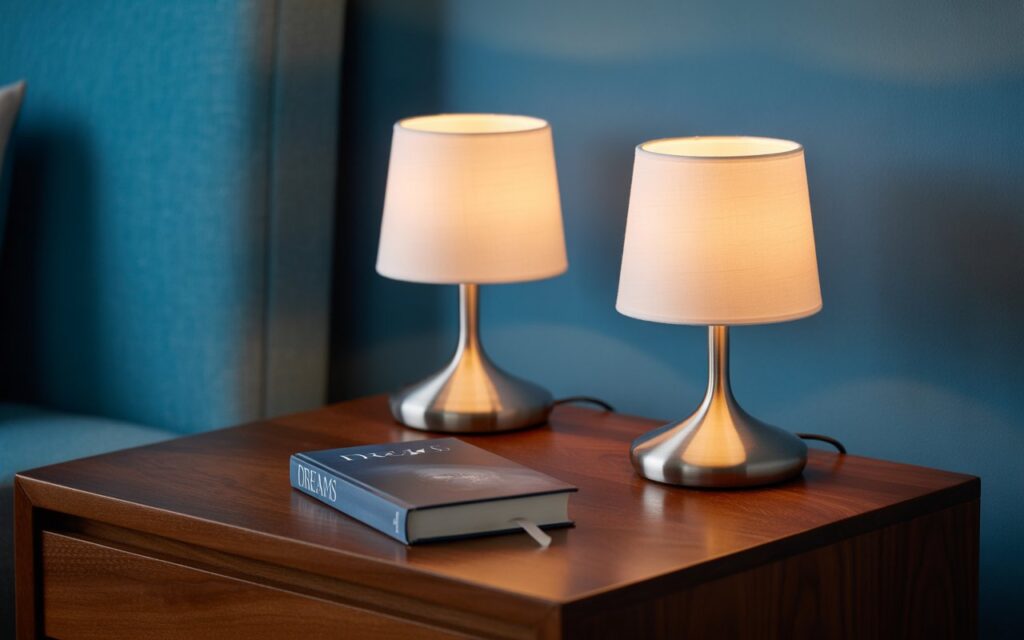
- Ceramic bedside lamp: Shorter or medium-height lamps that give soft, relaxing light for reading or winding down.
- Ceramic desk lamp: Designed for task lighting with focused light for work, study, or hobbies.
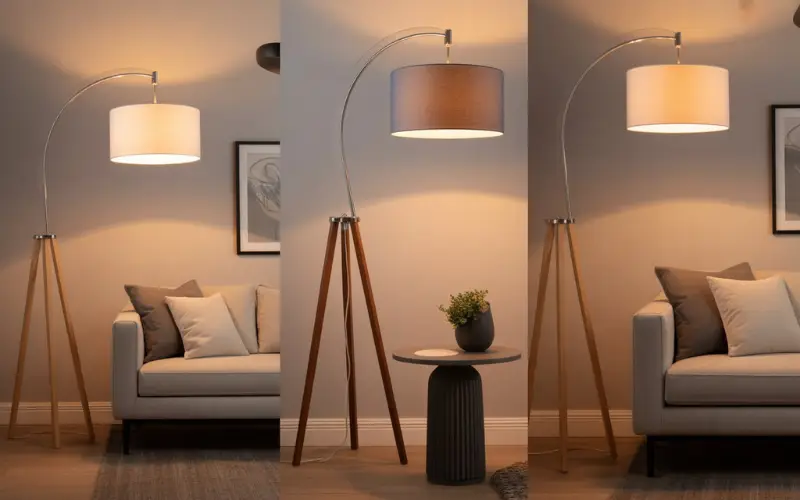
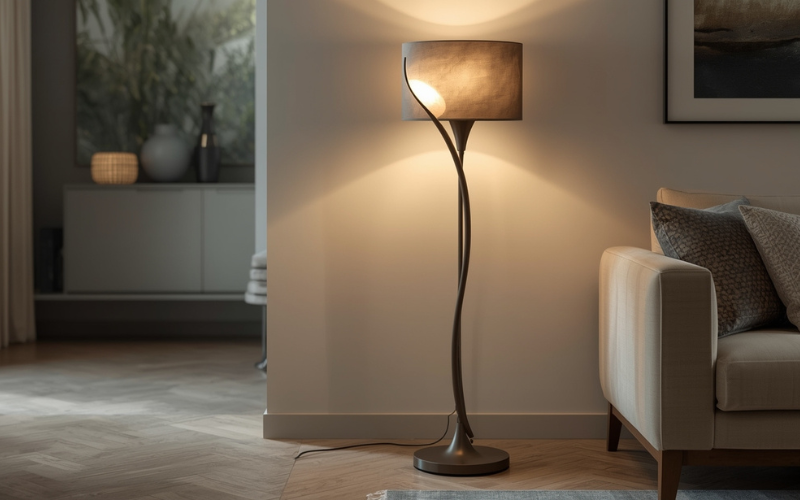
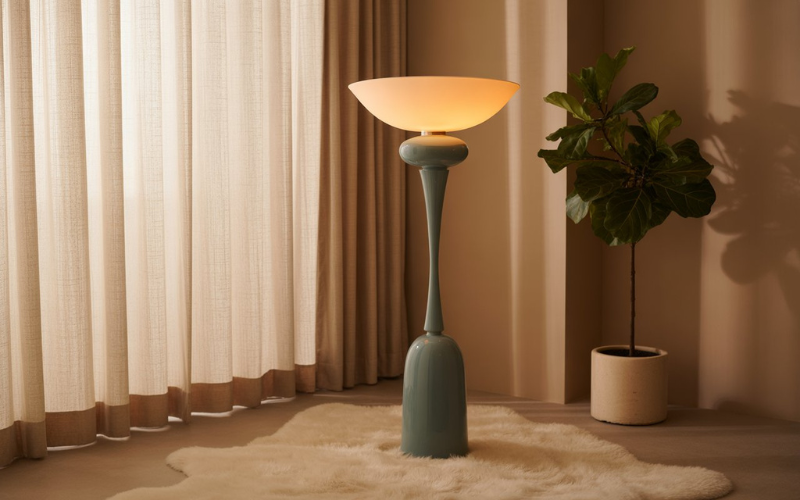
- Ceramic floor lamp: Taller pieces that stand on the floor and provide broader illumination in corners or next to armchairs.
Some designs fall under broader categories like modern ceramic lamps, which feature clean lines and simple shapes, or handcrafted ceramic lamps, where you can see the artisan’s touch in subtle irregularities and details.
If you want something truly unique, look for artistic ceramic lamp design, combining sculpture with function. These pieces often become conversation starters while still providing useful light.
3. Choosing the Right Ceramic Table and Desk Lamps
For living rooms, home offices, and entryways, ceramic table lamps and desk lamps do more than just brighten a space—they help define the style and atmosphere.
When choosing a ceramic table lamp or ceramic desk lamp, consider:
- Height and proportion: The lamp should be in proportion to the table. A lamp that’s too tall can feel overwhelming; too short and it won’t cast enough light.
- Shade size: A well-sized ceramic lamp shade should cover the bulb and balance the base without looking top-heavy.
- Light purpose: For reading or tasks, look for a shade that directs light downward. For softer, ambient light, a more open shade works better.
Material and style also matter. Contemporary ceramic lighting often features neutral colors, simple silhouettes, and minimal hardware, ideal for modern or minimalist homes. For a warmer, more traditional feel, pottery lamps with subtle patterns or textures are a great choice.
Think about how the lamp looks both on and off. During the day, the ceramic lamp base is the star; at night, the quality of light and the shade become more important.
4. Creating a Cozy Bedroom with Ceramic Bedside Lamps
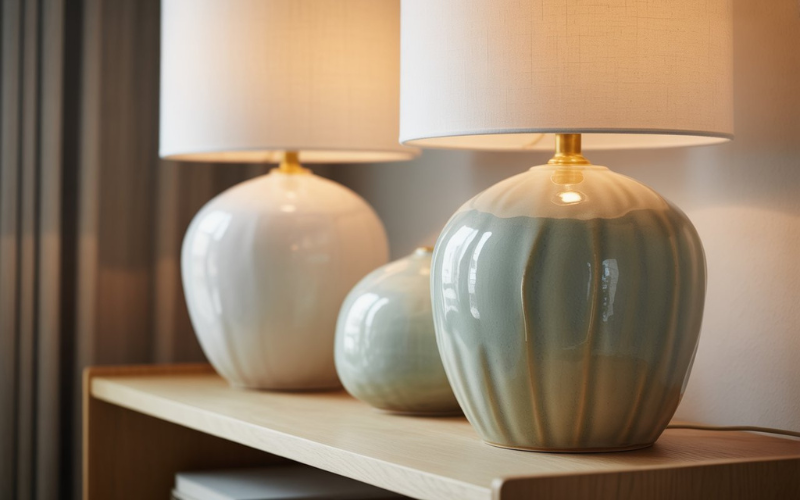
The right bedside lighting can completely transform a bedroom from plain to peaceful. Using ceramic lamps on nightstands is especially effective because they combine softness, warmth, and personality.
A ceramic bedside lamp should provide enough light for reading while still feeling calm and relaxing. Soft white or warm-toned bulbs usually work best for bedrooms. Consider dimmable bulbs or smart bulbs to adjust the brightness easily.
For style, bedroom lighting is a great place to experiment, such as:
- Boho ceramic lamps with patterns, cutouts, or earthy glazes.
- Minimalist ceramic lamps in smooth, simple shapes and neutral tones.
- Vintage ceramic lamps with classic silhouettes and nostalgic finishes.
Matching your lamps to your furniture style creates harmony. For example, farmhouse ceramic lamps pair beautifully with distressed wood nightstands, while coastal ceramic lamps in soft blues and whites suit light, beach-inspired rooms.
If you prefer a more streamlined look, a Scandinavian ceramic lamp in soft grey or white with a simple fabric shade brings calm and simplicity to the space.
5. Making a Statement with Floor and Large Ceramic Lamps
While smaller ceramic lamps work well on tables and nightstands, larger designs and floor lamps make bold statements in living rooms, dining rooms, and entryways. Placing ceramic lamps in corners, beside sofas, or near reading chairs draws the eye and anchors the room.
A ceramic floor lamp often combines a substantial base with a tall pole and large shade, giving powerful ambient light while still feeling cozy. These lamps work especially well in:
- Large living rooms where ceiling lights feel too harsh.
- Reading nooks that need focused, warm light.
Large rustic ceramic lamps with textured finishes or earthy glazes can ground a space with a natural, handcrafted feel. For modern interiors, a sleek, tall base in a neutral color pairs well with contemporary furniture.
If you like character and history, look for vintage ceramic lamps or pottery-inspired designs. Their unique shapes, hand-painted details, and aged finishes add soul to otherwise new or minimal rooms.
6. Styling Ideas: Boho, Farmhouse, Minimalist, and More
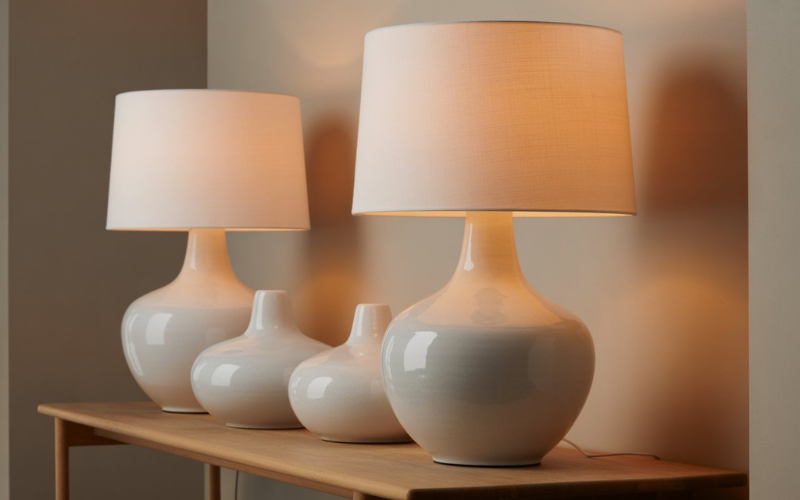
One of the biggest strengths of ceramic lamps is their ability to fit seamlessly into almost any decor style. The same material can look completely different depending on its shape, color, and finish.
Here are some popular style directions:
- Boho ceramic lamps: Think earthy tones, organic shapes, and playful patterns. Pair with woven baskets, plants, and layered textiles.
- Farmhouse ceramic lamps: Soft whites, creams, and subtle distressing. These work with wood furniture, shiplap walls, and cozy textiles.
- Minimalist ceramic lamps: Simple cylinders, spheres, or cones in neutral matte tones. Ideal for clutter-free, modern spaces.
- Rustic ceramic lamps: Heavier textures, earthy browns, and uneven glazes echo natural stone and clay.
- Coastal ceramic lamps: Light blues, sandy beiges, and white finishes evoke the ocean and beach.
- Scandinavian ceramic lamp: Clean lines, pale colors, and natural fabric shades fit light, airy interiors.
- Contemporary ceramic lighting: Bold shapes, striking colors, or asymmetrical designs suit modern, design-forward rooms.
By mixing lamp styles with other decor elements, you can shift the overall mood of a room without major renovations.
7. Finishes, Materials, and Craftsmanship Details
The beauty of ceramic lamps often lies in the details: the glaze, the texture, the way light plays across the surface. Understanding finishes and craftsmanship helps you choose pieces that look and feel high-quality.
Common finishes and features include:
- Glazed ceramic lamp: Shiny, reflective surfaces in rich colors; easy to wipe clean.
- Matte ceramic lamp: Soft, velvety finishes that feel modern and understated.
- Clay lamps and pottery lamps: Emphasize the natural look of clay with visible texture or speckling.
- Hand-painted ceramic lamp: Unique patterns, motifs, or borders painted by hand, giving each piece its own character.
- Handcrafted lamp base: Slight variations in shape or texture signal that it was made by a person, not just a machine.
Some designs highlight sculpted ceramic lighting, where the base itself becomes a piece of art through carving, cutouts, or layered shapes. Many of these pieces are both an eco-friendly ceramic lamp choice and a lasting decor investment, since ceramic is made from natural materials and built to last.
Quality craftsmanship ensures the lamp feels solid, the glazing is even, and the fittings (like sockets and switches) are safe and well-assembled.
8. Shades, Bases, and Matching Your Decor
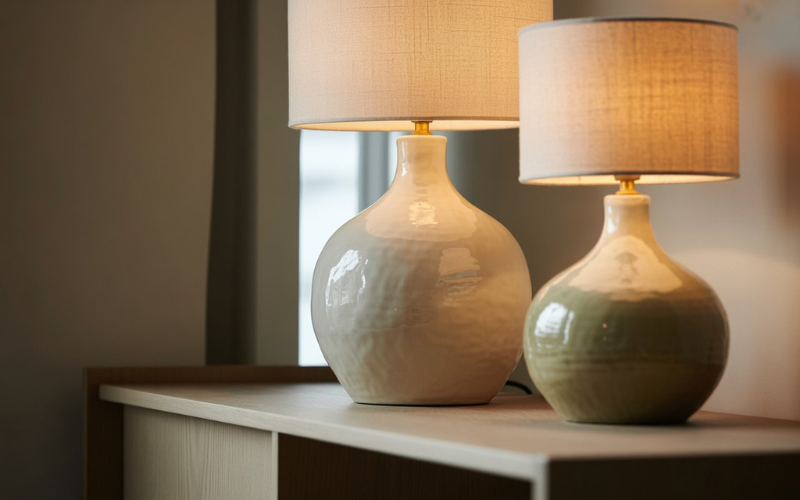
The overall look of a lamp depends not only on the base but also on the shade. Choosing the right combination of ceramic lamp base and ceramic lamp shade makes a big difference in how the light feels and how the lamp sits in your room.
Consider the following when matching bases and shades:
- Shape balance: A wide base looks best with a medium or wide shade, while a tall, narrow base pairs well with a drum or tapered shade.
- Color coordination: Neutral shades (white, cream, beige) suit most bases, but patterned shades can add fun to solid-colored bases.
- Light diffusion: Thicker, darker shades give moodier, softer light. Thinner, lighter shades spread light more widely.
For coordinated spaces, repeat colors or textures. For example, a modern ceramic lamps base in black with a simple white shade can echo black picture frames or metal accents in the room. In a cozy, layered space, a coastal ceramic lamps base in soft blue with a linen shade might echo throw pillows or rugs.
Remember that the lamp should look good from all angles, not just the front. In open spaces, people will see it from different sides and heights.
9. Practical Tips: Placement, Care, and Safety
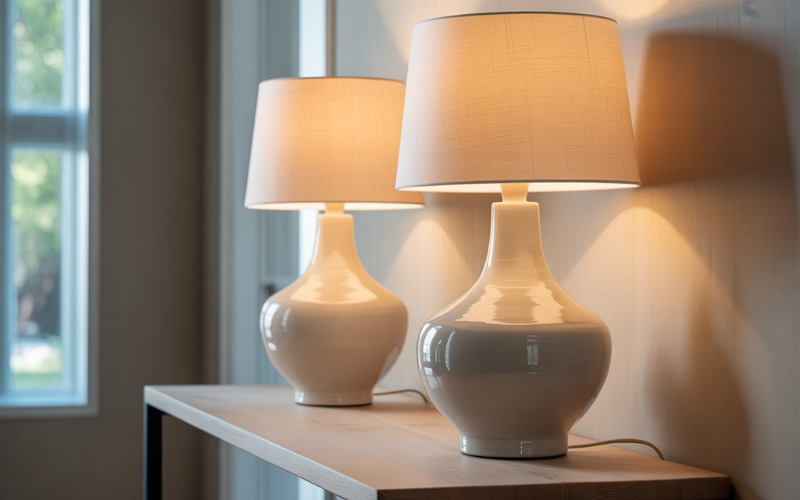
Finally, a few practical guidelines help get the best out of ceramic lamps while keeping them safe and looking new.
For placement:
- Use pairs of lamps on nightstands or side tables to create symmetry.
- Place a lamp near seating or work areas so the light falls where it’s needed.
- Avoid blocking the lamp with tall decor pieces like large vases or plants.
For care and maintenance:
- Dust regularly with a soft, dry cloth.
- For glazed finishes, a slightly damp cloth can remove fingerprints or smudges.
- Avoid harsh chemicals that might damage paint or glaze.
Safety is also important:
- Use the bulb type and wattage recommended by the manufacturer to protect the durable ceramic lighting fixture and wiring.
- Make sure the lamp sits on a stable, flat surface, especially in homes with children or pets.
- Check cords and plugs occasionally for wear and replace them if damaged.
When chosen and cared for thoughtfully, ceramic lamps can provide beautiful, reliable light for many years, enhancing both the style and comfort of every room in your home.
Conclusion
Ceramic lamps bring together style, warmth, and practicality, making them an effortless way to upgrade any room without major changes. With so many shapes, finishes, and sizes available, you can easily find pieces that complement your decor—whether you prefer relaxed coastal vibes, cozy farmhouse charm, or clean, modern lines. Their handcrafted nature, durable construction, and natural clay origins also mean you’re choosing lighting that is both long-lasting and more eco-conscious than many mass-produced alternatives.
FAQs
Q1. What are the benefits of choosing ceramic lamps over other materials?
A. Ceramic lamps offer superior durability, heat resistance, and a wide range of artistic finishes like glazed or matte options, making them ideal for long-term use in any room. Unlike glass or metal, ceramic provides a warm, natural aesthetic through handcrafted details and eco-friendly clay construction. They also pair well with various styles, from boho ceramic lamps to minimalist ceramic lamps, enhancing decor without frequent replacements .
Q2. How do I select the right size ceramic table lamp for my space?
A. Measure your table surface and ensure the lamp height reaches about eye level when seated, typically 24-34 inches tall for side tables. The ceramic lamp base should be one-third the table’s diameter, with a shade width matching the base for balance. Consider room scale—smaller ceramic bedside lamps suit compact nightstands, while larger ones fit consoles .
Q3. Are ceramic lamps suitable for modern or contemporary interiors?
A. Yes, modern ceramic lamps and contemporary ceramic lighting feature sleek lines, neutral tones, and geometric shapes that complement minimalist or Scandinavian designs. Opt for matte ceramic lamps or sculpted ceramic lighting for subtle texture without overwhelming clean spaces. They diffuse light softly, creating a cozy yet sophisticated ambiance .
Q4. How should I care for handcrafted ceramic lamps to keep them looking new?
A. Dust regularly with a soft microfiber cloth, and for glazed ceramic lamps, use a damp cloth with mild soap for spots—avoid abrasives on hand-painted surfaces. Keep away from direct sunlight to prevent fading on pottery lamps. Check wiring annually for safety, ensuring durable ceramic lighting fixtures last decades with minimal effort .