
Introduction
Lighting is the silent game-changer of interior design. It has the extraordinary power to transform a cold, lifeless space into a warm, luxurious sanctuary and turn an ordinary room into a stunning, inspiring masterpiece. At the center of this dramatic transformation are ceiling lamps, the ultimate statement pieces that deliver both brilliant illumination and striking style. More than just a light source, ceiling lamps define the mood, enhance architectural beauty, and create a captivating atmosphere that instantly elevates your home.
Table of Contents
1. Exploring Modern, Traditional, and Luxury Styles
When you begin your search for the perfect fixture, the style is usually the first thing that catches your eye. Lighting design has evolved tremendously, offering options that cater to every taste. Modern ceiling lamps are incredibly popular today because they focus on clean lines, minimalism, and geometric shapes. These fixtures often utilize materials like brushed nickel, matte black metal, or chrome, making them perfect for contemporary homes that value simplicity and clutter-free aesthetics. They do not just light up a room; they act as subtle pieces of art that complement your furniture without overpowering it.
On the other end of the spectrum, traditional ceiling lamps bring a sense of history and classic elegance to your space. These designs often feature ornate detailing, brass or bronze finishes, and frosted glass shades. They work beautifully in homes with vintage architecture, crown molding, or classic wood furniture. Traditional fixtures provide a timeless look that feels established and comforting, avoiding the sometimes stark nature of ultra-modern designs.
For those looking to make a bold statement, luxury ceiling lamps offer the “wow” factor. These are often characterized by high-end materials like crystal, gold leaf, or intricate glasswork. A luxury fixture is not just about illumination; it is a centerpiece. Whether it is a sparkling chandelier in a foyer or an artistic sculptural piece in a dining area, these lamps elevate the perceived value of the entire room.
- Key Style Considerations:
- Modern: Look for asymmetry, mixed metals, and exposed bulbs.
- Traditional: Look for symmetry, warm metals, and fabric shades.
- Luxury: Look for scale, reflective surfaces, and high-quality craftsmanship.
2. Best Options for Living Rooms and Bathrooms
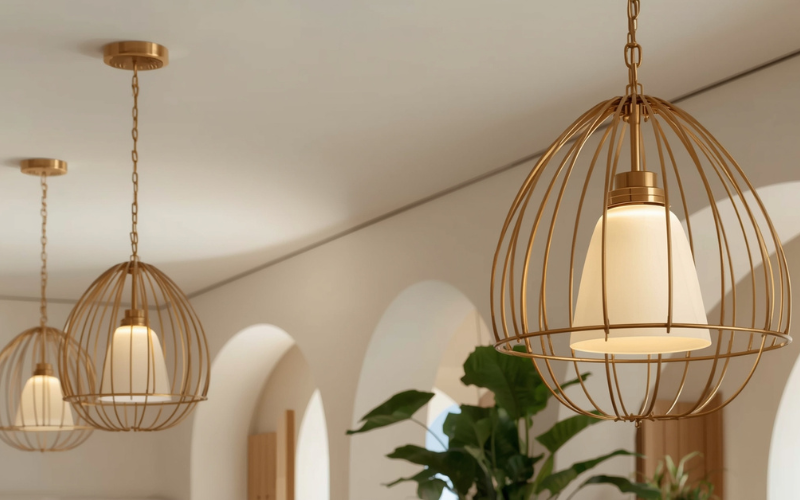
Different rooms have vastly different lighting requirements, and understanding these needs is key to a comfortable home. The living room is often the hub of the house, used for everything from watching TV to entertaining guests. Consequently, living room ceiling lamps need to be versatile. A single overhead light is rarely enough. Instead, homeowners often opt for a statement fixture in the center of the room, supplemented by floor lamps. The central fixture, however, sets the tone. It should be bright enough to light the space for cleaning or games but stylish enough to be a focal point when the lights are dimmed.
In contrast, the bathroom requires a more functional approach where safety and clarity are paramount. Bathroom ceiling lamps must be able to withstand humidity and moisture. You generally want a fixture that provides bright, shadow-free light, which is essential for tasks like shaving or applying makeup. While vanity lights near the mirror are common, a central ceiling fixture ensures the rest of the room is not cast in gloom.
When choosing lights for these specific areas, consider the following:
- Moisture Rating: For bathrooms, always check if the lamp is “damp-rated” or “wet-rated” depending on proximity to the shower.
- Layering: In living rooms, ensure your ceiling fixture pairs well with other light sources.
- Scale: A large living room can handle a massive chandelier, whereas a small bathroom needs something compact.
3. Why Choose Flush Mount and Low-Profile Designs
Not every home is blessed with soaring cathedral ceilings. In fact, standard ceiling heights often restrict the types of fixtures you can install. This is where flush mount ceiling lamps shine. As the name suggests, these fixtures sit directly against the ceiling with no gap. They are the ultimate problem solvers for rooms with ceilings lighter than eight feet. Because they don’t hang down, they keep the visual space open, making the room feel larger and less cluttered.
Similarly, low-profile ceiling lamps are designed to hug the ceiling closely. They are sleek, unobtrusive, and perfect for high-traffic areas where a hanging light might get in the way, such as hallways, closets, or kids’ bedrooms. Just because they are practical doesn’t mean they are boring. Designers have reinvented the flush mount category, moving away from the dreaded “boob lights” of the past to create stunning, architectural pieces that look intentional and stylish.
The benefits of these designs include:
- Space Saving: They maximize vertical clearance, preventing tall guests from bumping their heads.
- Easy Cleaning: With no hanging parts or complex chains, they attract less dust and are easier to wipe down.
- Versatility: Their compact nature allows them to blend into almost any room design without clashing with other decor elements.
- Safety: In children’s rooms or play areas, keeping the light fixture out of reach is a significant safety advantage.
4. The Advantages of LED and Dimmable Features

Lighting technology has advanced rapidly, and the days of energy-guzzling incandescent bulbs are largely behind us. Today, LED ceiling lamps are the gold standard for residential lighting. They use a fraction of the electricity compared to traditional bulbs and last significantly longer—often up to 50,000 hours. This means you could go years without ever needing to change a bulb. Furthermore, many modern fixtures come with “integrated LED” technology, where the diodes are built directly into the lamp’s structure, allowing for thinner, more innovative designs that wouldn’t be possible with standard screw-in bulbs.
Another critical feature to look for is adjustability. Dimmable ceiling lamps give you total control over the ambiance of a room. Being able to adjust brightness is essential for multi-purpose rooms. For example, you might want full brightness in the dining room while setting the table, but a soft, romantic glow while eating dinner. Without a dimmer, you are stuck with one static level of brightness that might be too harsh for evening relaxation.
Here is why you should prioritize these features:
- Cost Savings: LED lights significantly reduce your monthly electricity bill.
- Heat Reduction: LEDs run much cooler than incandescent bulbs, keeping your room comfortable in summer.
- Mood Control: Dimmers allow you to change the atmosphere instantly.
- Color Rendering: High-quality LEDs often render colors better, making your furniture and paint look truer to life.
5. How to Measure and Size Your Fixture
One of the most common mistakes homeowners make is buying a fixture that is the wrong size for the room. A lamp that is too small will look cheap and out of place, while one that is too large can feel overwhelming and cramp the space. Fortunately, there is a simple industry formula you can use to find the perfect diameter for your ceiling lamps.
To find the right size, measure the length and width of your room in feet. Add those two numbers together, and the sum in inches is the approximate diameter your light fixture should be. For example, if your living room is 12 feet by 14 feet, the calculation is 12 + 14 = 26. Therefore, you should look for a fixture with a diameter of roughly 26 inches.
Height is equally important. For hanging lights, you generally want at least 7 feet of clearance from the bottom of the fixture to the floor so people can walk underneath safely. If you are hanging a light over a dining table or a kitchen island, the rules change slightly; usually, the bottom of the light should be 30 to 36 inches above the table surface.
Sizing Checklist:
- Diameter: Room Length + Room Width = Fixture Diameter (in inches).
- Height Clearance: Keep 7 feet of space from floor to fixture bottom in walking areas.
- Dining Tables: The fixture should be roughly 1/2 to 2/3 the width of the table to ensure it looks balanced.
6. Understanding Light Color Temperature
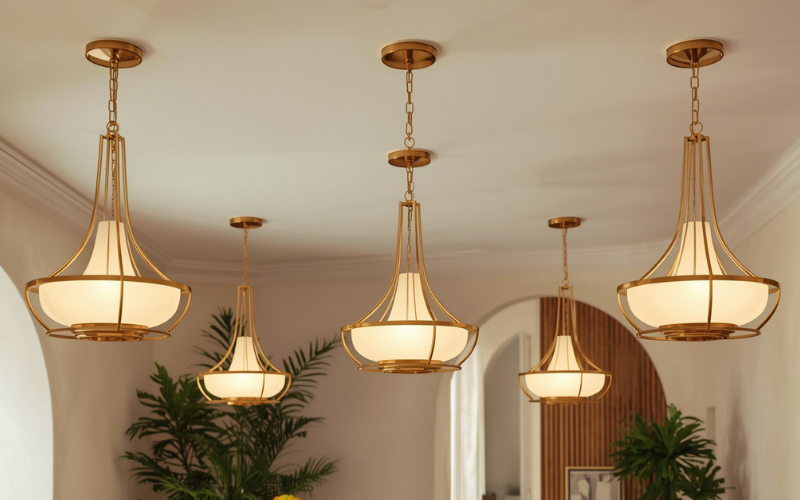
Have you ever installed a new light bulb only to find that your room looks like a sterile hospital or an orange-tinted cave? This happens because of color temperature, which is measured in Kelvins (K). Choosing the right color temperature is just as important as choosing the fixture itself, as it dramatically affects how your paint colors look and how you feel in the space.
Most residential lighting falls into three categories: Warm White, Cool White, and Daylight.
- Warm White (2700K – 3000K): This range emits a soft, yellowish glow similar to traditional incandescent bulbs. It is cozy, inviting, and relaxing, making it perfect for bedrooms and living rooms where you want to unwind.
- Cool White (3500K – 4100K): This is a brighter, cleaner, and whiter light. It is often used in kitchens and bathrooms where you need to see clearly for tasks like chopping vegetables or shaving.
- Daylight (5000K – 6500K): This light has a blueish tint and mimics bright noon sunlight. It is excellent for reading nooks, garages, or offices where concentration is key, but it can feel too harsh for general living areas.
When shopping for fixtures with integrated LEDs, check the Kelvin rating on the box. Many modern fixtures even offer “selectable color temperature,” allowing you to flip a switch on the fixture itself to choose between warm, soft, or daylight settings before you install it.
7. Installation and Safety Basics
Installing a new ceiling light is a manageable DIY project for many, but it requires respect for electricity and strict adherence to safety protocols. If you are replacing an existing fixture with a new one of similar weight, the process is straightforward. However, if you are installing a heavy chandelier where a small light used to be, you must ensure the electrical box in the ceiling is braced to support the extra weight. Standard plastic boxes may not hold a heavy fixture, potentially causing it to fall.
Before you touch any wires, the most critical step is to turn off the power at the circuit breaker—not just the light switch. Once safe, installation usually involves attaching a mounting bracket to the ceiling box, connecting the wires (matching black to black, white to white, and ground to ground), and securing the fixture with decorative nuts.
Safety Tips:
- Turn Off Breaker: Never rely solely on the wall switch.
- Check Weight Ratings: Ensure your ceiling junction box is rated for the weight of your new lamp.
- Read Instructions: Every manufacturer has slightly different wiring diagrams.
- Consult a Pro: If you have aluminum wiring (common in older homes) or don’t see a ground wire, hire an electrician.
8. Cleaning and Maintenance Tips
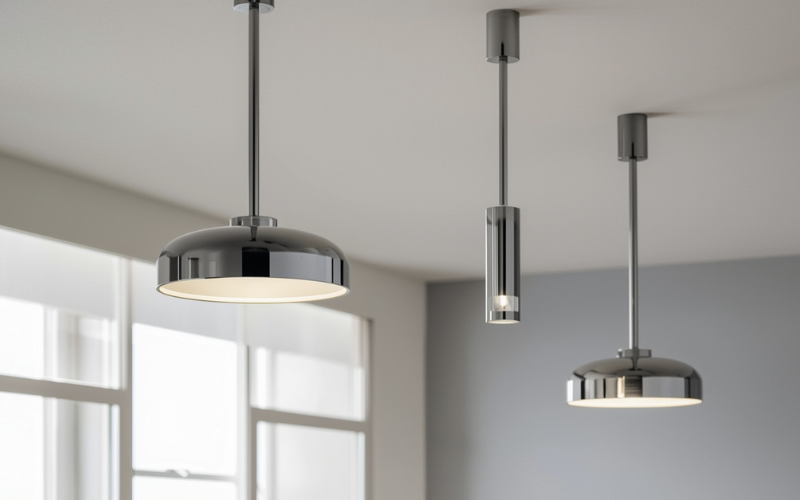
To keep your lighting looking brilliant, regular maintenance is required. Over time, dust, grease, and bugs can accumulate inside glass shades or on the surfaces of your ceiling lamps, significantly dimming their output and making them look dingy. A layer of dust can reduce light output by as much as 30%, making your room feel darker than it should.
For general cleaning, a simple feather duster or microfiber cloth used once a week will prevent buildup. For a deeper clean, turn the light off and let it cool down completely. Remove any glass shades or crystals and wash them in a sink with warm soapy water. Dry them thoroughly with a lint-free cloth to prevent water spots before reattaching.
For fixtures with non-removable parts or intricate metalwork, use a glass cleaner sprayed onto a cloth (never directly onto the fixture, as the spray can damage electrical components). Pay special attention to kitchen fixtures, which often accumulate a sticky film of cooking grease that attracts dust. A mix of water and vinegar can be very effective at cutting through this grease without damaging the finish.
Conclusion
Choosing the right lighting is more than just a practical necessity; it is a design decision that defines the atmosphere of your entire home. Whether you are drawn to the sleek lines of modern ceiling lamps, the timeless charm of traditional fixtures, or the practicality of energy-efficient LED models, there is a perfect option waiting to elevate your space. By considering factors like room size, ceiling height, and color temperature, you can find a fixture that balances form and function beautifully.
Don’t underestimate the impact of this simple upgrade. Swapping out an outdated fixture for a stylish new one is one of the most effective and affordable ways to refresh a room. We hope this guide has illuminated the path to finding the best ceiling lamps for your needs. Now, it’s time to flip the switch on your home’s potential and create a space that shines bright in every sense of the word.
FAQs
Q1. What is the difference between flush mount and semi-flush mount lights?
A. The main difference lies in how they hang. Flush mount ceiling lamps sit directly against the ceiling with no gap, making them ideal for low ceilings (under 8 feet) and high-traffic areas like hallways. Semi-flush mount lights hang down slightly on a short stem or rod, usually creating a 4-to-8-inch gap between the fixture and the ceiling. This gap allows light to reflect off the ceiling, providing better ambient lighting while still saving space compared to a chandelier.
Q2. Do all modern ceiling lamps work with dimmer switches?
A. Not necessarily. While most incandescent fixtures are naturally dimmable, many LED ceiling lamps require specific compatible dimmer switches. If you are buying a fixture with “integrated LED” technology, check the packaging to confirm it is listed as “dimmable.” Using an old dimmer switch with new LED lights can often cause flickering or buzzing sounds, so you may need to upgrade your wall switch when you upgrade your lighting.
3. How many lumens do I need for a living room ceiling lamp?
A. Watts measure energy use, but lumens measure brightness. For a living room, you generally want ambient lighting that provides about 10 to 20 lumens per square foot. For a standard 200-square-foot living room, you would need a fixture (or a combination of living room ceiling lamps) that outputs between 2,000 and 4,000 lumens. If the ceiling fixture is the only light source, aim for the higher end of that range or ensure the fixture is dimmable for versatility.
Q4. Can I install a ceiling lamp myself, or do I need an electrician?
A. Replacing an existing light with a new one is a common DIY project that most homeowners can handle with basic tools. However, safety is paramount—always turn off the power at the circuit breaker, not just the switch. You should hire a professional electrician if you are installing a heavy fixture (like a large crystal chandelier) that requires extra ceiling support, if you have no existing wiring in that location, or if you are uncomfortable working with electricity.