Introduction
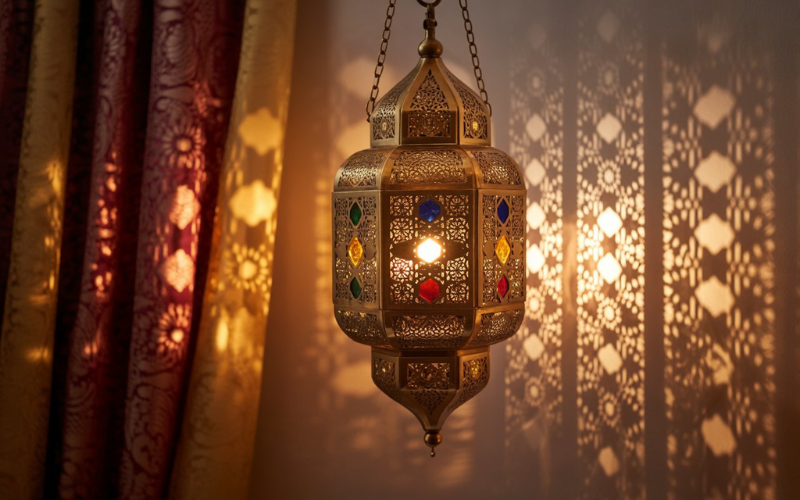
A Moroccan lamp instantly transforms any space into an exotic, luxurious sanctuary, casting mesmerizing patterns of light and shadow that elevate your interior design. From handcrafted brass details to stunning hanging lantern styles, every Moroccan lamp blends timeless artistry with modern elegance. In 2025, these statement lighting pieces remain a top choice for homeowners seeking bold beauty, authentic craftsmanship, and unforgettable ambiance.
Table of Contents
1. The Rich History and Cultural Significance of Moroccan Lighting
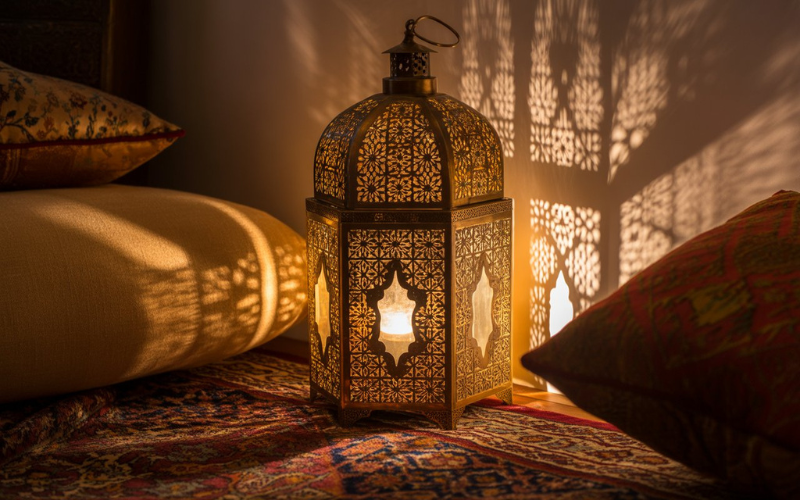
Moroccan lighting has deep roots in Middle Eastern and North African tradition, dating back centuries to the ancient cities of Fez and Marrakech. Craftsmen in these legendary cities became renowned for their exceptional metalwork and glass-blowing skills, creating lamps that served both functional and spiritual purposes. Originally, these fixtures illuminated mosques, palaces, and grand riads, symbolizing luxury, enlightenment, and divine connection. The intricate patterns in these metal Moroccan lanterns were believed to represent the journey toward spiritual awakening, with light filtering through perforated metal becoming a metaphor for divine illumination.
The history of the Turkish lantern and Arabic lamp traditions influenced Moroccan design significantly, creating a unique fusion that celebrates Islamic artistry. During the mid-20th century, travelers and traders brought these exotic treasures to Western markets, sparking a global fascination that continues today. The cultural significance of Moroccan lighting extends beyond mere decoration—these pieces represent centuries of preservation of traditional craftsmanship, supporting local artisans and keeping heritage techniques alive. Today, choosing a Moroccan lantern means honoring this rich cultural legacy while bringing authentic global design into your contemporary home.
2. The Art of Craftsmanship: How Moroccan Lamps Are Made
Creating a handcrafted Moroccan light involves meticulous techniques passed down through generations of skilled artisans. Each Moroccan style lighting piece begins with careful design and pattern creation, where craftspeople sketch intricate geometric patterns, arabesques, and floral motifs inspired by traditional Islamic art. These patterns serve a dual purpose—they’re aesthetically beautiful while also functioning as a framework for light diffusion.
The metalwork process is where true artistry shines. Artisans hand-hammer solid brass or copper sheets with precision tools, carefully piercing intricate holes and creating delicate latticework. This laborious process for a single brass Moroccan lamp can take weeks or even months, depending on complexity. The perforations are not randomly placed; each hole is strategically positioned to create specific shadow patterns when the light is illuminated. Master craftspeople then add mosaic tile work or colored glass inserts, selecting each piece carefully to achieve the desired aesthetic and light transmission. Finally, the fixture receives its finishing touches—whether that’s an antique brass patina, matte black finish, or polished copper—resulting in a truly unique tabletop Moroccan lamp or hanging Moroccan lantern that becomes a conversation piece in any home.
3. Materials and Durability: Understanding Quality Moroccan Lamps
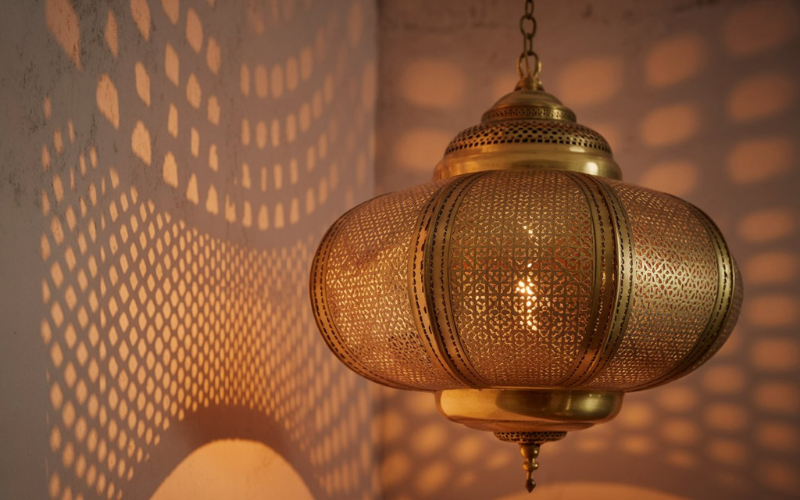
Quality Moroccan lamps are constructed from premium materials chosen specifically for their durability and aesthetic appeal. Brass Moroccan lamps remain the most sought-after option, valued for their warm tone and longevity. Brass is ideal because it’s heavy, resistant to corrosion, and develops a beautiful patina over time. Metal Moroccan lanterns made from copper offer similarly impressive durability while providing a distinctive reddish tone that adds warmth to any space.
Glass Moroccan lamps incorporate colored glass panels that filter light beautifully, whether in rich emerald, sapphire blue, or warm amber tones. The combination of metal framework with stained glass creates the signature enchanting glow that defines Moroccan style lighting. Premium artisans use reclaimed or eco-friendly materials in contemporary Moroccan lantern designs, addressing growing sustainability concerns. The hand-forged construction of quality brass Moroccan lamps ensures they withstand years of use without deterioration. Unlike mass-produced lighting fixtures, authentic Moroccan floor lamps and wall sconces are built to last generations, becoming heirloom pieces that appreciate in character and beauty over time.
4. Design Styles: From Traditional to Modern Interpretations
The diversity of Moroccan lamp styles is remarkable, catering to virtually every interior design preference. Traditional Moroccan lanterns feature elaborate pierced metalwork with dense geometric patterns, typically in brass or copper with colored glass. These classic bazaar lamps capture the authentic essence of Moroccan souks, complete with ornate filigree detailing and rich, warm finishes. The bohemian lamp aesthetic embraces these traditional elements while allowing for more eclectic, free-spirited integration into modern spaces.
Contemporary design has sparked exciting innovations in Moroccan lighting design. Modern Moroccan lamps simplify patterns while maintaining cultural authenticity, featuring sleeker silhouettes and minimalist approaches to piercing. Matte black or brushed gold finishes appeal to modern minimalist decor, while dome-shaped copper pendants with hand-hammered finishes suit industrial-chic interiors perfectly. Boho chic lighting represents the fusion category, blending Moroccan elements with other global design influences—imagine a Moroccan style lamp with mid-century modern elements or Scandinavian simplicity. Some designers are creating vintage Moroccan lamps that intentionally age their pieces through oxidation and careful finishing techniques.
Mosaic tile lamps represent another innovative direction, incorporating colorful tile work into traditional metal frames. Rustic Moroccan fixtures appeal to farmhouse and cottage enthusiasts, combining weathered finishes with traditional geometric patterns. The range means you can find a Moroccan floor lamp for statement-making entryways, delicate tabletop Moroccan lamps for intimate spaces, or dramatic hanging Moroccan lanterns for dining areas.
5. Applications: Where to Use Moroccan Lamps in Your Home
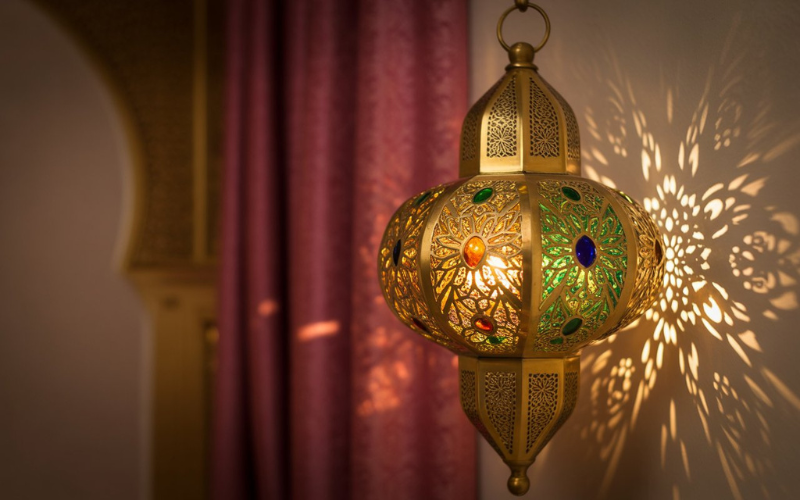
Moroccan lamps offer incredible versatility for various spaces and applications throughout your home. In entryways and foyers, a large Moroccan lantern suspended overhead creates an immediate wow factor, welcoming guests with exotic elegance. The soft, diffused light from a brass Moroccan lamp in the entry establishes the tone for the entire home. Dining rooms benefit tremendously from hanging Moroccan lanterns suspended over the table, creating an intimate, luxurious atmosphere perfect for memorable meals. Clustered copper or brass lanterns add warmth and drama while providing adequate task lighting.
Living rooms showcase beautifully, positioning them beside contemporary sofas where their intricate shadow patterns become rotating artwork on your walls. Bedrooms transform with bedside Moroccan lanterns or small brass Moroccan lamps on nightstands, casting delicate shadows that promote relaxation. The Moroccan wall sconce option works wonderfully for ambient bedroom lighting without occupying floor or table space. Outdoor patios and covered gardens become magical retreats when illuminated by weather-resistant Moroccan hanging lanterns, creating an oasis atmosphere for entertaining or quiet evenings. Home offices and reading nooks benefit from the focused yet atmospheric lighting of a Moroccan style lamp, promoting productivity while maintaining aesthetic appeal.
6. The Ambiance and Wellness Benefits of Moroccan Lighting
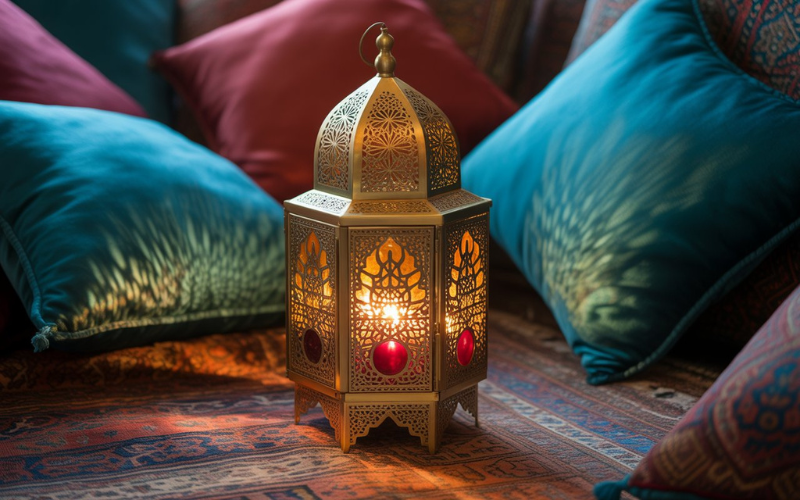
Beyond their undeniable visual appeal, Moroccan lamps create a unique ambiance that promotes wellness and relaxation. The soft, diffused light from a hanging Moroccan lantern differs fundamentally from harsh overhead lighting, creating warm, inviting spaces that feel naturally cozy. This gentle illumination reduces eye strain and promotes better sleep patterns, making Moroccan floor lamps excellent choices for bedrooms and relaxation spaces. The interplay of light and shadow cast by brass Moroccan lamps adds depth and visual interest, transforming blank walls into dynamic art installations that change throughout the evening.
The psychological impact of Moroccan style lighting shouldn’t be underestimated. The warm metallic tones of copper or brass lanterns trigger positive emotional responses, promoting feelings of comfort, safety, and cultural connection. Studies on ambient lighting demonstrate that patterned, diffused light reduces stress and anxiety more effectively than standard artificial lighting. The ritualistic aspect of dimming a Moroccan lantern for evening creates intentional moments of transition, supporting healthy circadian rhythms. Handcrafted Moroccan lights carry additional wellness benefits through their connection to artisanal traditions—knowing your lamp supports local artisans and preserves cultural heritage adds emotional satisfaction and purpose to your space.
7. Trends in Moroccan Lamp Design for 2025
The Moroccan lamp market in 2025 demonstrates exciting evolution while maintaining respect for traditional craftsmanship. Smart technology integration represents a major trend, with innovative designers incorporating LED systems that allow color-changing effects and dimming capabilities controlled via smartphone or voice assistant. Modern Moroccan lamps now offer customizable lighting that adapts to your mood or activity—imagine transforming your Moroccan hanging lantern from warm ambient light for dinner to energizing brightness for working from home.
Sustainability has become central to contemporary lamp manufacturing. More artisans use recycled materials, eco-friendly production methods, and ethically sourced components. Vintage Moroccan lamp restoration has gained popularity as consumers seek pre-owned, authentic pieces, combining sustainability with genuine craftsmanship. Size versatility represents another 2025 trend, with designers creating both tiny accent lamps and oversized statement hanging Moroccan lanterns that serve as room anchors. The fusion of Moroccan design with industrial, Scandinavian, and farmhouse aesthetics continues expanding, proving these fixtures complement virtually any interior style. Mosaic tile lamps with vibrant color combinations and bohemian lamp interpretations featuring mixed metals are increasingly popular, reflecting broader design movements toward global fusion and personal expression.
8. Choosing Quality: What to Look for When Purchasing Moroccan Lamps
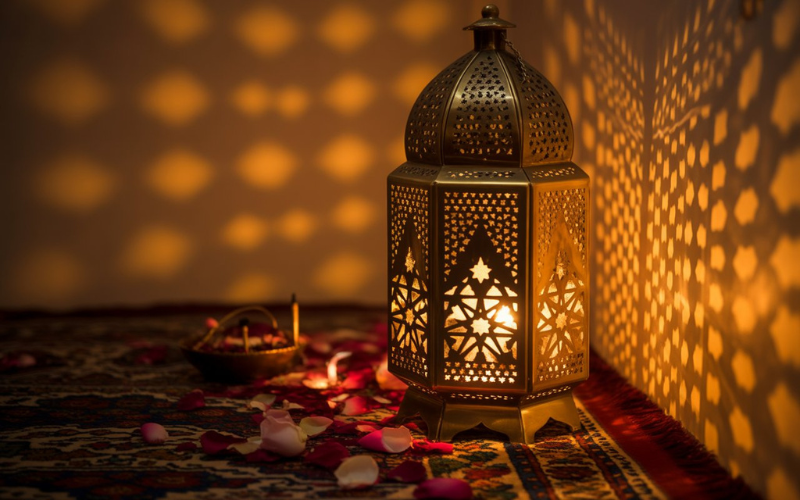
Selecting an authentic, quality Moroccan lamp requires understanding key indicators of craftsmanship and authenticity. High-quality brass Moroccan lamps feel substantial—the weight indicates solid construction rather than thin plating. Examine the piercing detail carefully; authentic handcrafted Moroccan lights display consistent, intentional patterns with precise holes rather than haphazard perforation. The metal should show signs of hand-hammering—subtle irregularities and surface variations that prove human craftsmanship rather than industrial uniformity.
Verify the metal composition; authentic Moroccan lanterns use solid brass or copper, not hollow shells or aluminum. Quality glass Moroccan lamps feature individually cut and fitted glass panels, not painted designs. The base should be sturdy, the wiring properly installed, and the electrical components safely constructed. Research the seller’s sourcing practices—reputable suppliers can trace their Moroccan-style lighting to specific artisan communities in Morocco or validate their manufacturing processes. Vintage Moroccan lamps require particular scrutiny; examine patina patterns and construction methods to ensure authenticity rather than artificial aging. Price provides guidance; authentic brass Moroccan lamps cost more than mass-produced alternatives because genuine craftsmanship demands time and skill. Compare similar pieces across multiple retailers to establish fair pricing. Ask detailed questions about the artisan background, production timeframes, and material sourcing—sellers of genuine handcrafted Moroccan lights happily provide this information, while mass-market vendors typically cannot.
9. Styling and Interior Design Integration Tips
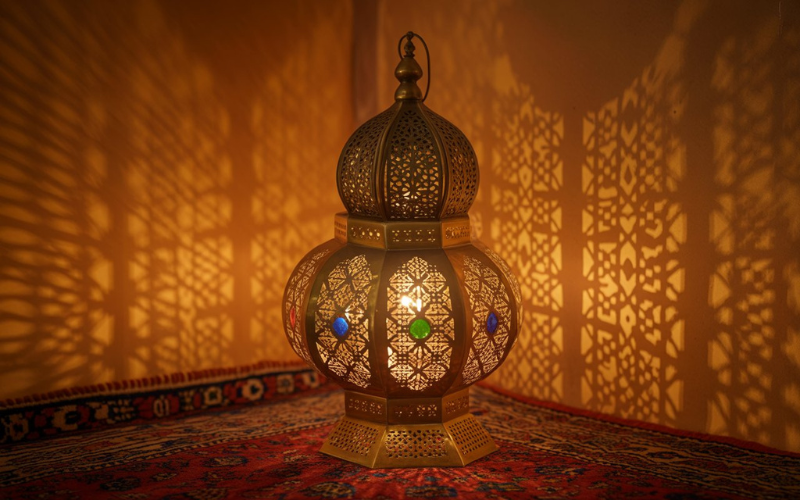
Successfully incorporating Moroccan lamps into your existing décor requires thoughtful placement and styling. For bohemian lamp aesthetics, pair your hanging Moroccan lanterns with layered textiles, plants, and eclectic accessories that celebrate global influences. Position brass Moroccan lamps to become focal points rather than background elements—avoid clustering them with competing statement pieces. Modern Moroccan-style lighting works beautifully in minimalist spaces when you select cleaner lines and neutral finishes. Create visual rhythm by repeating the Moroccan lantern scale and style; if using multiple fixtures, cluster three tabletop Moroccan lamps together rather than scattering individual pieces throughout a room.
Color coordination requires attention to your metal Moroccan lantern finish and existing décor. Warm brass tones complement earth tones, warm neutrals, and saturated jewel colors. Cool-toned copper works beautifully with cooler neutrals and jewel blues or greens. Mosaic tile lamps with vibrant colors function best as solo statements, allowing their patterns to shine without competing prints. Layer your lighting—combine Moroccan floor lamps with overhead fixtures to create depth and flexibility. Hang Moroccan wall sconces symmetrically flanking mirrors or artwork for balanced sophistication. In rooms with high ceilings, oversized hanging Moroccan lanterns prevent the space from feeling cavernous. Rustic Moroccan fixtures complement natural wood furniture and vintage accessories, while sleek modern Moroccan lamps suit contemporary minimalism. The key is allowing your Moroccan style lamp to enhance rather than dominate, working harmoniously with existing elements.
Conclusion
Moroccan lamps represent far more than functional lighting—they’re artistic expressions of centuries-old craftsmanship, cultural heritage, and timeless beauty. Whether you select a traditional bazaar lantern with intricate filigree work, a contemporary boho chic lighting fixture, or an innovative smart-enabled modern Moroccan lamp, you’re investing in pieces that transform spaces and enhance daily life. The versatility of Moroccan style lighting ensures compatibility with diverse interior styles, while the wellness benefits of warm, diffused light promote comfort and relaxation. By supporting artisans who create authentic handcrafted Moroccan lights, you participate in preserving cultural traditions and ensuring fair employment in artisan communities.
FAQs
Q1: What’s the difference between a Moroccan lamp and a Moroccan lantern?
A. While the terms are often used interchangeably, Moroccan lamps typically refer to lights with a base (floor or table lamps), while Moroccan lanterns usually describe hanging fixtures or decorative pieces that can hold candles or lights. Both feature the signature intricate metalwork and design patterns characteristic of Moroccan craftsmanship.
Q2: Are authentic Moroccan lamps expensive?
A. Authentic handcrafted Moroccan lamps cost more than mass-produced alternatives because they’re individually created by skilled artisans. Expect quality brass or copper pieces to range from moderate to premium prices depending on size, complexity, and materials. This investment reflects exceptional durability and artistic value.
Q3: Can I use Moroccan lamps in modern, minimalist interiors?
A. Absolutely! Contemporary Moroccan lamp designs feature simplified patterns and sleek finishes that complement modern aesthetics beautifully. Choose pieces with minimal embellishment, matte finishes, and clean lines that honor Moroccan tradition while suiting contemporary spaces.
Q4: What type of bulb should I use in my Moroccan lamp?
LED bulbs are ideal for Moroccan lamps, offering energy efficiency, longevity, and minimal heat generation. Check your lamp’s specifications for recommended wattage and style. Warm white LEDs (2700K) complement brass fixtures beautifully, while neutral whites suit modern designs.
Q5: How do I ensure I’m buying an authentic Moroccan lamp?
Purchase from reputable sellers who can provide detailed information about the lamp’s origin, artisan background, and materials. Authentic pieces feel substantial, show hand-craftsmanship signs like hammer marks, and typically cost more than mass-produced alternatives. Ask questions about sourcing and manufacturing processes—genuine sellers willingly share this information.